
Last updated November 21, 2026
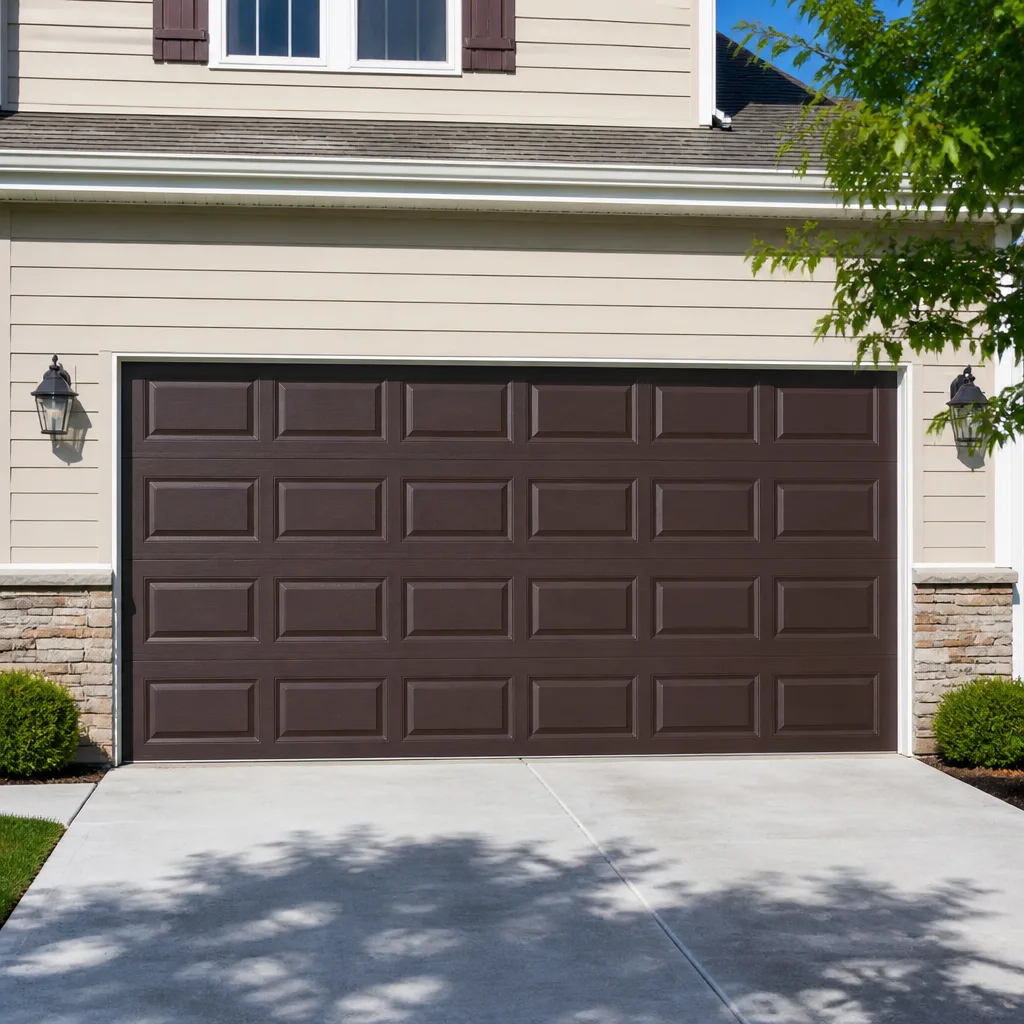 Raised-panel steel
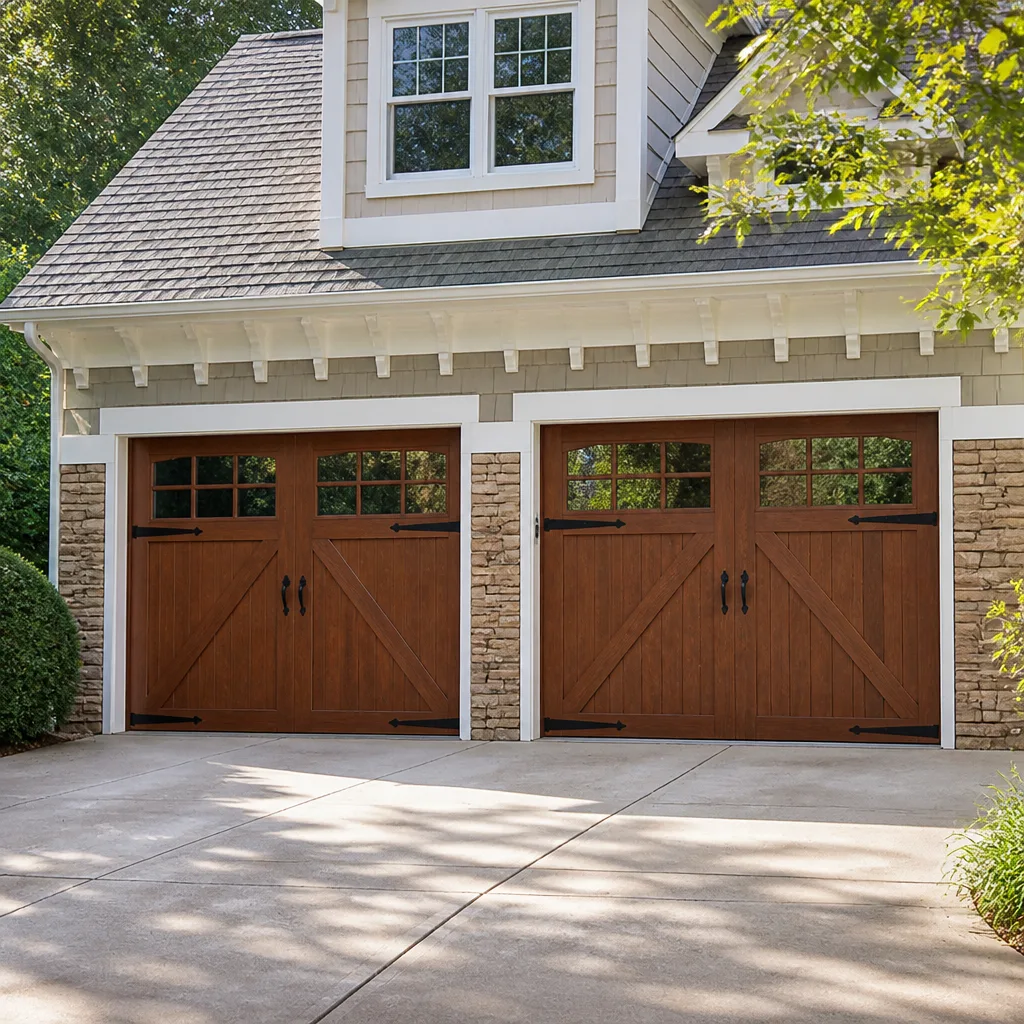 Carriage house
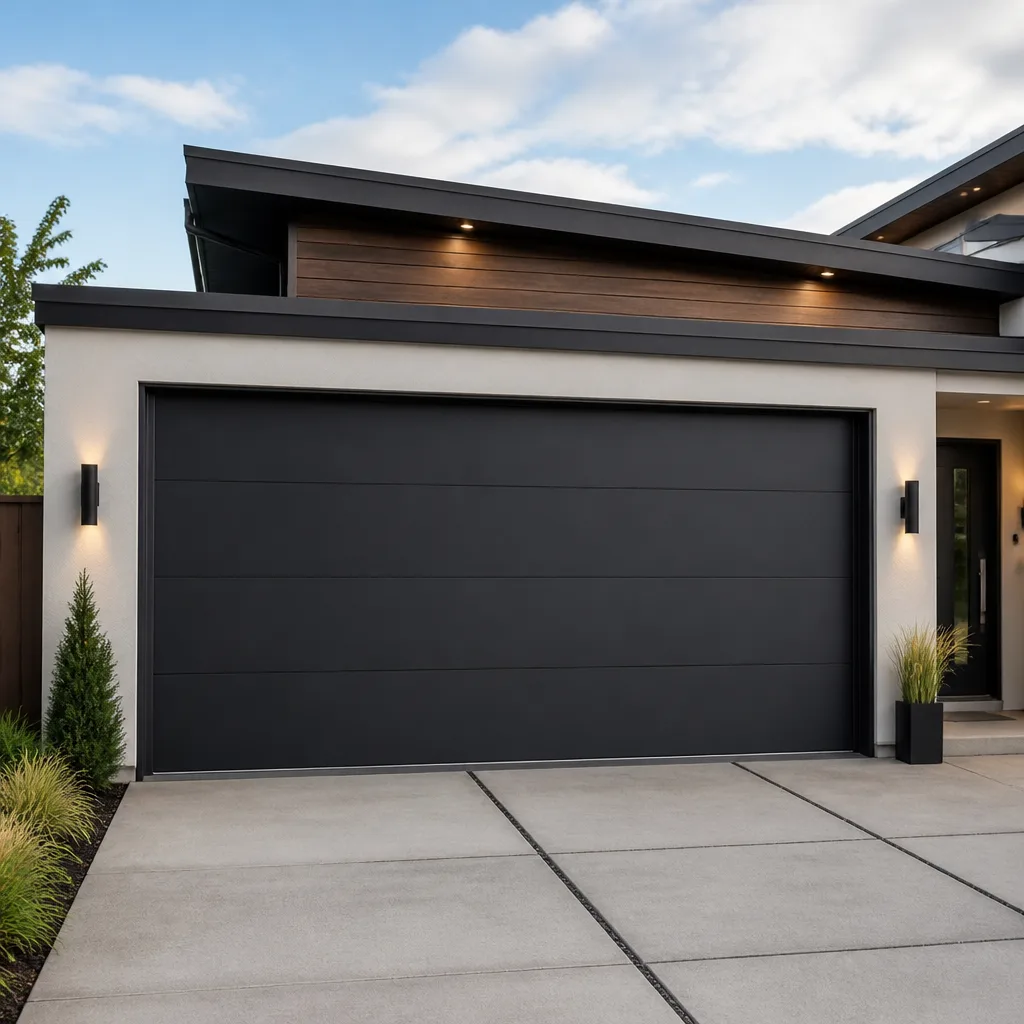 Modern flush
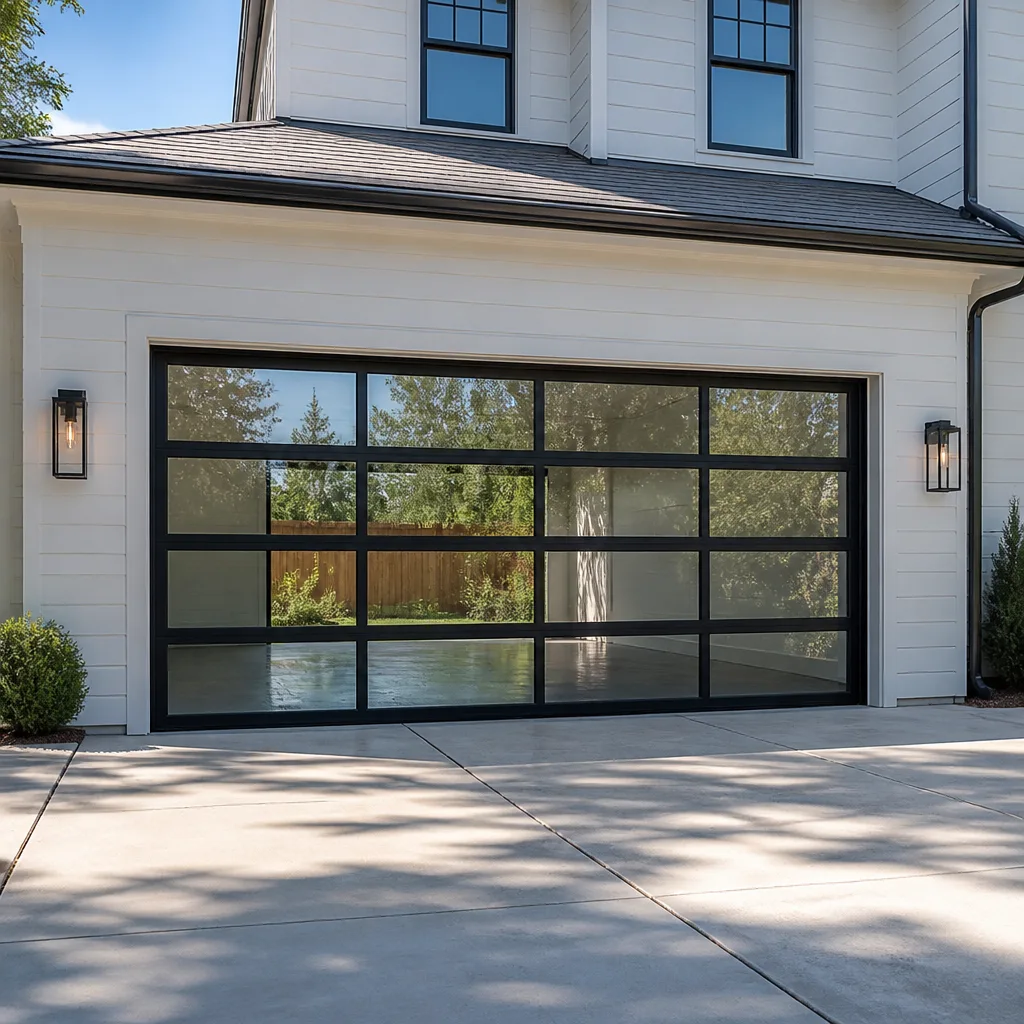 Full-view glass
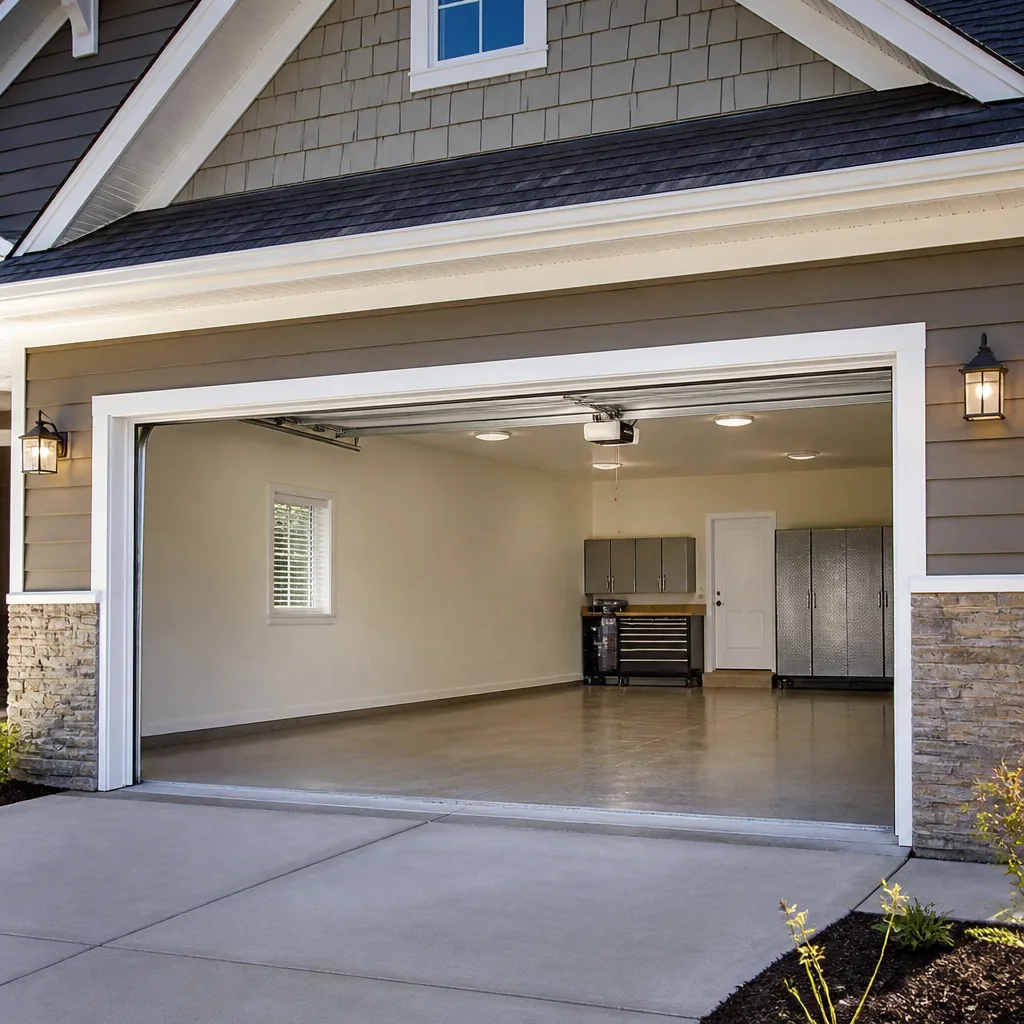 LiftMaster openers
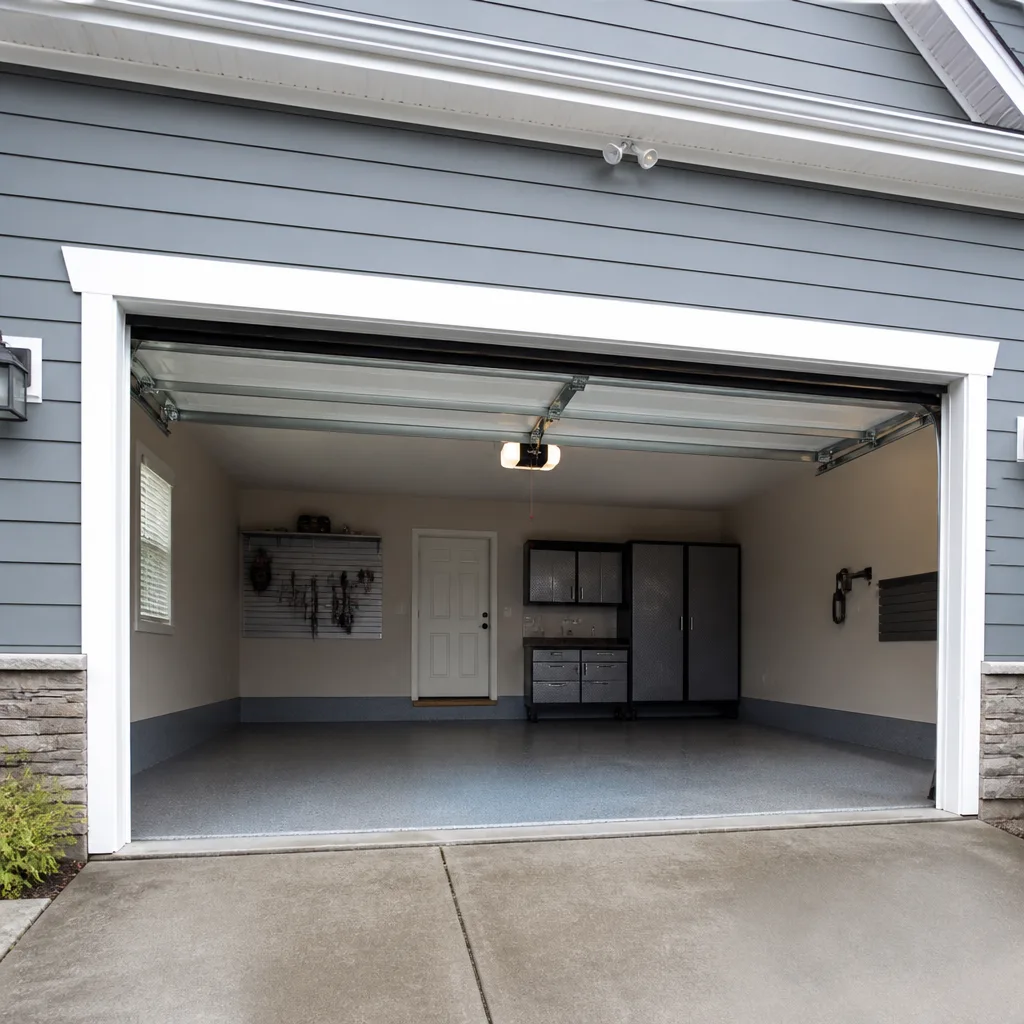 Chamberlain openers
Full 25-point door and opener safety check with every visit - springs, cables, rollers, tracks, and your LiftMaster or Chamberlain opener included
You get a price before we start. It does not change when the pro arrives.
Get your free estimateGarage Door Repair Troubleshooting in Brandon: Common Problems and How to Fix Them
A door that reverses the moment it touches the floor isn’t broken. It’s doing exactly what it was programmed to do, and the sensor or the travel setting is telling it to retreat. Most homeowners in Brandon assume the worst when a door misbehaves and reach for the phone before they’ve read what the door is actually saying. We get it. A garage door that won’t cooperate throws off your whole morning. But a few minutes of careful observation, done safely, can tell you whether you’re looking at a five-minute adjustment or a spring that needs a trained hand. This guide teaches you to read the door’s behavior the way a technician does: symptom by symptom, system by system. You’ll learn which faults mimic bigger failures, which parts you can safely inspect yourself, and which ones you should never touch.
Quick Answer
Most garage door problems in Brandon come down to four systems that work together: the springs that counterbalance the door, the opener that drives it, the tracks that guide it, and the safety sensors that guard the closing path. When one of them is off, the door misbehaves in a way that usually points straight to the culprit. You can safely inspect sensors, tracks, rollers, and the opener’s lights and settings yourself. Torsion springs, cables, and anything under tension should be left to a trained technician, because those parts store enough force to cause serious injury.
Styles & brands we work with
- Raised-panel steel
- Carriage house
- Modern flush
- Full-view glass
- LiftMaster openers
- Chamberlain openers
Table of Contents
- Reading Your Door Like a Technician
- How Brandon’s Heat and Humidity Cause Intermittent Faults
- Using the Manual Release Safely on a Heavy Double-Car Door
- Symptom, Cause, and Fix: The Quick-Reference Table
- What You Can Safely Inspect vs. What to Leave Alone
- Is It the Opener or the Door? Sorting Out the Blame
- Why Brand Familiarity Speeds Up the Fix
- Common Mistakes to Avoid
- When to Call a Professional
Reading Your Door Like a Technician
When a technician walks up to a misbehaving door, the first thing they do isn’t grab a wrench. They watch. They listen. A garage door is a mechanical system with a short list of moving parts, and each part fails in a recognizable way. The door that opens a few inches and stops is telling you something very different from the door that opens all the way but drifts back down on its own.
Here’s how to start reading your own door in Brandon. Stand back and run it once, watching the whole travel from closed to open and back. Note three things: how it moves, what it sounds like, and where it stops.
- Movement: Does it rise evenly, or does one side lag? Does it shudder, jerk, or slow down partway?
- Sound: A steady hum is normal. Grinding, squealing, popping, or a thud at the end of travel is not.
- Stopping point: Does it reverse immediately, stop partway, or refuse to move at all?
That three-part read narrows the problem fast. A door that rises unevenly with one side lagging points to a spring or cable issue. A door that reverses right after touching the floor is usually a sensor or travel-limit setting, not a mechanical failure. A door that hums but doesn’t move often has a broken spring or a disengaged opener. And a door that grinds its way up is telling you the tracks or rollers need attention.
We’ve seen this pattern play out across Brandon neighborhoods, from the older homes near downtown to newer builds out toward the edges of town. The symptoms repeat, and once you know the language, the door is easy to read. The key is to observe before you touch, and to stay off ladders and out of the path of the door while you do it. A clear picture of the symptom is worth more than any tool at this stage, and it’s what lets you describe the problem accurately when you do decide to call for garage door repair.
How Brandon’s Heat and Humidity Cause Intermittent Faults
Brandon’s climate does quiet work on garage door systems all year. Mild winters mean the door never gets a long cold break, and the warm, humid months put steady stress on anything electrical or metal. Understanding this helps you stop blaming the opener for problems that come from the environment around it.
The most common climate-driven fault we hear about is sensor misalignment. Garage door safety sensors sit a few inches off the floor and shoot an invisible beam across the opening. In humid conditions, condensation can fog the lens, and the sun can throw glare into the receiver on a bright afternoon. Either one can make the beam falter, and the door reverses as if something were in the way. The frustrating part is that it’s intermittent. The door works fine in the morning and refuses to close in the afternoon, which leads homeowners to assume the opener is dying when the sensor is simply losing a clean line of sight.
Metal expansion is the second factor. Steel tracks, hinges, and panels grow and contract slightly as temperatures swing between a warm afternoon and a cooler night. That movement can loosen a bracket, nudge a track out of alignment, or change how a door sits in its frame. The result is often a door that rubs or sticks at certain times of day and moves freely at others.
When a door acts up only sometimes, don’t assume the worst. Check the sensor lenses for condensation or debris, look for anything blocking the beam, and see whether the problem follows the sun. If the fault only appears when the door faces direct afternoon light, you’ve found your answer. A technician can reposition or shade the sensor so it stops fighting the glare. Humidity and heat also speed up wear on lubricated parts, so a door that’s been quiet for years may start to complain as grease thins. A simple cleaning and lubrication routine, done on the parts you can safely reach, keeps those intermittent faults from turning into real failures.
Using the Manual Release Safely on a Heavy Double-Car Door
Every automatic garage door has a manual release, usually a red cord hanging from the opener trolley. It exists so you can operate the door by hand when the power is out or the opener fails. On a heavy double-car door in Brandon, though, pulling that cord needs care. The springs carry the door’s weight. If a spring is broken, releasing the door means you’re suddenly holding all of that weight, and a double-car door is genuinely heavy.
Before you pull the release, understand what you’re about to do. The door will no longer be held by the opener. If the springs are intact, the door should feel light and balanced when you lift it. If the springs are broken, it will feel extremely heavy, and it can drop fast.
- Close the door fully first. Never pull the release with the door open. A released door that’s up can slam down.
- Check for broken springs from the ground. Look at the springs above the door. If you see a visible gap in a torsion spring, stop. Don’t pull the release. Call a professional.
- Stand clear of the door’s path. Keep hands and feet away from the panels and the tracks.
- Pull the cord straight down and to the side so it disengages from the trolley. You should hear it release.
- Lift slowly with both hands and feel the weight. If it’s balanced, you can raise and lower it by hand. If it’s heavy or won’t stay up, lower it carefully and leave it closed.
Once you’ve opened the door by hand, don’t force the opener to run. It’s disconnected from the door, and running it can damage the trolley. When power returns or the technician arrives, the opener needs to be re-engaged and the travel limits checked again. The manual release is a backup, not a fix. It buys you a way in and out, and nothing more. If you’ve pulled the cord and the door felt wrong, leave it alone and call for help with garage door spring repair rather than trying to muscle it.
Symptom, Cause, and Fix: The Quick-Reference Table
This is the part most homeowners want first. The table below maps common door behaviors to their likely cause, tells you whether it’s safe to inspect yourself, and gives a rough sense of whether the repair is minor, moderate, or major. Treat it as a starting point, not a diagnosis. A technician confirms the real cause on site, and the written estimate sets the final price.
| Symptom | Likely Cause | Safe to Inspect? | Repair Category |
|---|---|---|---|
| Door reverses immediately after touching the floor | Sensor misalignment, obstruction, or travel-limit setting | Yes – check sensors and clear the path | Minor (adjustment) |
| Door opens a few inches and stops | Travel-limit setting or opener logic fault | Yes – check opener lights and reset | Minor to moderate |
| Opener hums but door doesn’t move | Broken spring or disengaged trolley | Check for broken spring from the ground only | Moderate to major |
| One side of the door lags or the door rises crooked | Broken spring, snapped cable, or track out of alignment | Visual check only – no touching cables | Major |
| Grinding or squealing during travel | Dry or worn rollers, bent track, loose hinges | Yes – inspect rollers and track from the ground | Minor to moderate |
| Door drifts back down after opening | Spring tension or opener holding force | No – spring tension is hands-off | Moderate |
| Door won’t close and light blinks on opener | Sensor blocked, misaligned, or faulty | Yes – realign and clean the sensors | Minor |
| Loud pop, then door won’t open | Torsion spring failure | No – stop and call | Major |
| Door moves unevenly and rubs the frame | Track misalignment or loose brackets | Visual check only | Moderate |
The categories matter less than the pattern. Anything involving springs or cables under tension is major and hands-off. Sensors, tracks, rollers, and opener settings are usually the minor end, and those are the ones worth checking before you call. When you do call, describing the symptom precisely gets you a faster, more accurate answer, which is why knowing the difference between a garage door opener repair and a spring fix before the technician arrives saves everyone time.
What You Can Safely Inspect vs. What to Leave Alone
Not every part of a garage door is equally dangerous. Some parts move slowly and carry little stored force, and you can inspect them with your eyes and hands. Others are under so much tension that touching them can hurt you badly. Knowing which is which is the single most useful safety skill a homeowner can have.
Safe to inspect yourself:
- Safety sensors: The two small units near the floor. Wipe the lenses, check that they face each other, and make sure nothing blocks the beam. Look for a steady indicator light on each.
- Tracks: Look for bends, dents, or debris. A track that’s visibly bent or has a gap where the rollers run is a problem. Don’t try to bend it back with force.
- Rollers and hinges: Worn rollers can be seen from the ground. Loose hinge screws can be tightened with a screwdriver if you can reach them safely.
- The opener itself: Check the lights, the wall control, and whether the opener responds to the remote. Many openers have a reset or travel-adjustment routine you can follow from the manual.
- Weather seal along the floor: A torn bottom seal lets in water and pests. Replacing it is a common, low-risk job.
Hands off, always:
- Torsion springs: These are the coiled springs mounted above the door on a metal shaft. They carry the door’s full weight and are wound to high tension. A torsion spring can release that energy suddenly. Never try to wind, unwind, or adjust one. Even inspecting up close is a risk if the spring is already failing.
- Extension springs: These run along the sides of the door and are also under tension. They can snap and whip if they fail. Leave them to a technician.
- Cables: The cables run from the springs to the bottom corners of the door and are under load whenever the door is closed. A cable under tension can cut or strike if it slips. Don’t touch them.
- The bottom bracket: The bracket that anchors the cable at the bottom corner carries serious force. Never loosen or remove it.
The reasoning is simple. Those parts store energy the way a drawn bow does. When something gives way, it releases all at once, with no warning. Our technicians have up to 9 years of experience working around that stored energy safely, which is why spring work is a specialty for us rather than a job anyone should take on as a weekend experiment. Save your inspection for the parts that reward it, and call for the ones that punish a mistake. If your door needs professional attention, we’re set up for Brandon Garage Door Repair Pros service across the area.
Is It the Opener or the Door? Sorting Out the Blame
When a door misbehaves, the opener takes the blame far more often than it deserves. The opener is the motor, but it only does what the door lets it do. If the door is heavier than it should be, the opener strains. If a track is out of line, the opener fights it. Sorting out whether the problem lives in the opener or in the door saves you from replacing a perfectly good motor.
Here’s a simple way to tell them apart. Disengage the opener using the manual release (only after checking that the springs are intact) and move the door by hand. If the door glides up and down with light, even pressure, the door’s mechanical system is healthy and the fault is likely in the opener. If the door feels heavy, binds, or pulls to one side, the problem is in the door itself, and a new opener won’t fix it.
That test is the most useful diagnostic a homeowner can run. It splits the system cleanly in two. From there, the specific symptoms tell you the rest.
- Opener runs, door doesn’t move: The trolley is disengaged, or a spring has failed and the door is too heavy for the opener to lift.
- Opener hums and stops: The opener is overloaded or the motor is failing. On a door that feels light by hand, this points to the opener.
- Door reverses on the way down: Sensor or travel-limit setting, not the motor.
- Remote works up close but not from the driveway: Battery, antenna, or signal interference, common in modern homes with connected systems.
- Opener responds to one control but not another: A wiring or wall-control issue.
Modern openers from brands like LiftMaster and Chamberlain carry smart-home features, and sometimes the fault is a settings or connectivity issue rather than hardware. Legacy openers from Craftsman and Genie tend to fail in simpler, more physical ways. Either way, the hand test comes first, because it tells you which system you’re actually troubleshooting. Once you know, the fix tends to be quick for a technician who’s familiar with your brand.
Why Brand Familiarity Speeds Up the Fix
Garage door components look similar across brands, but the details matter. A travel-limit adjustment on one opener is a set of dials; on another, it’s a programming sequence. A spring is sized to a specific door weight, and a roller or bracket from the wrong line may not seat correctly. When a technician already knows your brand, the diagnosis moves faster because they’re not learning the system on your driveway.
We work on equipment from eight major brands: LiftMaster, Chamberlain, Genie, Clopay, Amarr, Wayne Dalton, Craftsman, and Raynor. That range matters for homeowners in Brandon, because the door you own depends on when your home was built and what the builder installed. Older subdivisions tend to have legacy hardware. Newer construction often carries the connected openers that pair with a phone. A door from Clopay or Amarr has its own panel and hardware profile, and a Wayne Dalton door has different spring and track configurations than a Clopay. Knowing those differences up front means the technician arrives with the right parts and the right approach.
Brand familiarity also helps with the parts that fail most. Springs are matched to door weight and cycle life, and getting the replacement right depends on knowing the door. Opener repairs depend on the model, especially when smart-home pairing is part of the setup. And a full garage door repair that involves the track, rollers, and hinges goes smoother when the technician can read the door’s construction. The goal is one visit, done right, rather than a diagnosis on the first trip and a fix on the second. When we work on your brand, we’re working from a familiar starting point, and that’s a real advantage when your garage is your main way in and out.
Common Mistakes to Avoid
- Trying to fix a torsion spring yourself. The springs above the door are wound to high tension and can release suddenly. Winding or adjusting one without the right tools and training is the fastest way to a serious injury. Leave spring work to a technician.
- Forcing a door that’s stuck. Pushing or pulling hard on a door that binds can bend tracks, snap cables, or tear the opener’s trolley. If the door won’t move, stop and figure out why before adding force.
- Blaming the opener when the sensors are the problem. The blinking light on many openers is a sensor signal, not a death notice. Clean and realign the sensors before concluding the motor has failed.
- Ignoring an intermittent fault. A door that reverses only in the afternoon may be fighting sun or humidity on the sensors. Waiting for it to fail completely leaves you locked out at the worst moment.
- Pulling the manual release with the door open. Releasing a door that’s up lets it drop fast. Always close the door fully before you pull the cord.
- Bending a track back by hand. A bent track needs proper realignment, not a shove. Forcing it can distort the rail and cause the door to jump the track entirely.
- Replacing an opener when the door itself is the problem. A heavy or binding door will wear out any new motor you install. Run the hand test first, and fix the door before the opener.
When to Call a Professional
Some problems are safe to check and easy to describe. Others need a trained technician before anyone touches the door. Call a professional when you see a visible gap in a torsion spring, when a cable is loose or frayed, when the door rises crooked or lags on one side, when the opener hums but the door won’t move, or when you’ve pulled the manual release and the door feels far heavier than it should. Call right away if a door slams down, if the opener runs but nothing moves, or if the door is stuck open and you can’t secure the house. These are the situations where the door’s stored energy or its weight can hurt someone. Brandon Garage Door Repair Pros offers free estimates in Brandon. Our technicians have up to 9 years of experience, we work on all eight major brands, and the price is quoted and agreed before any work starts. Call (866) 283-8512. We answer 24/7. Fast dispatch from 7am to 7pm, Sunday through Friday.
See the difference
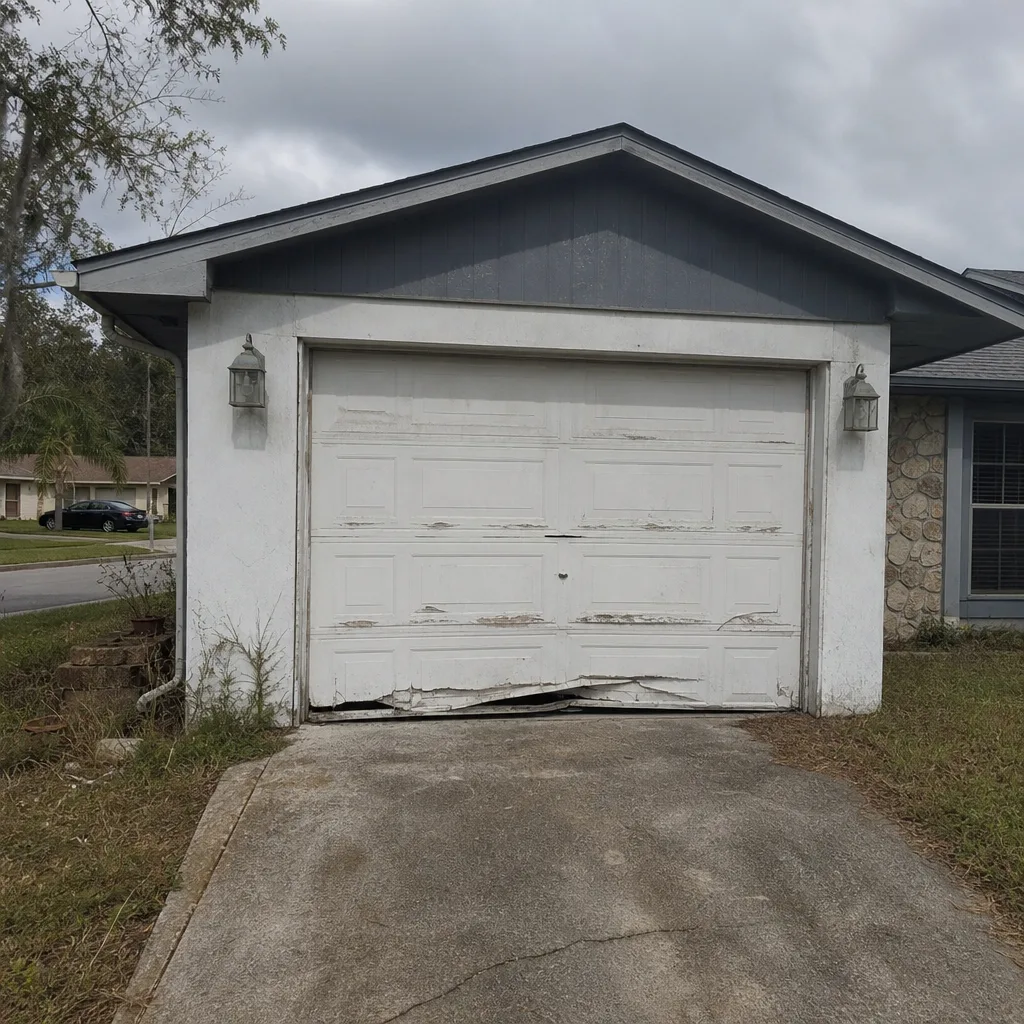 Before
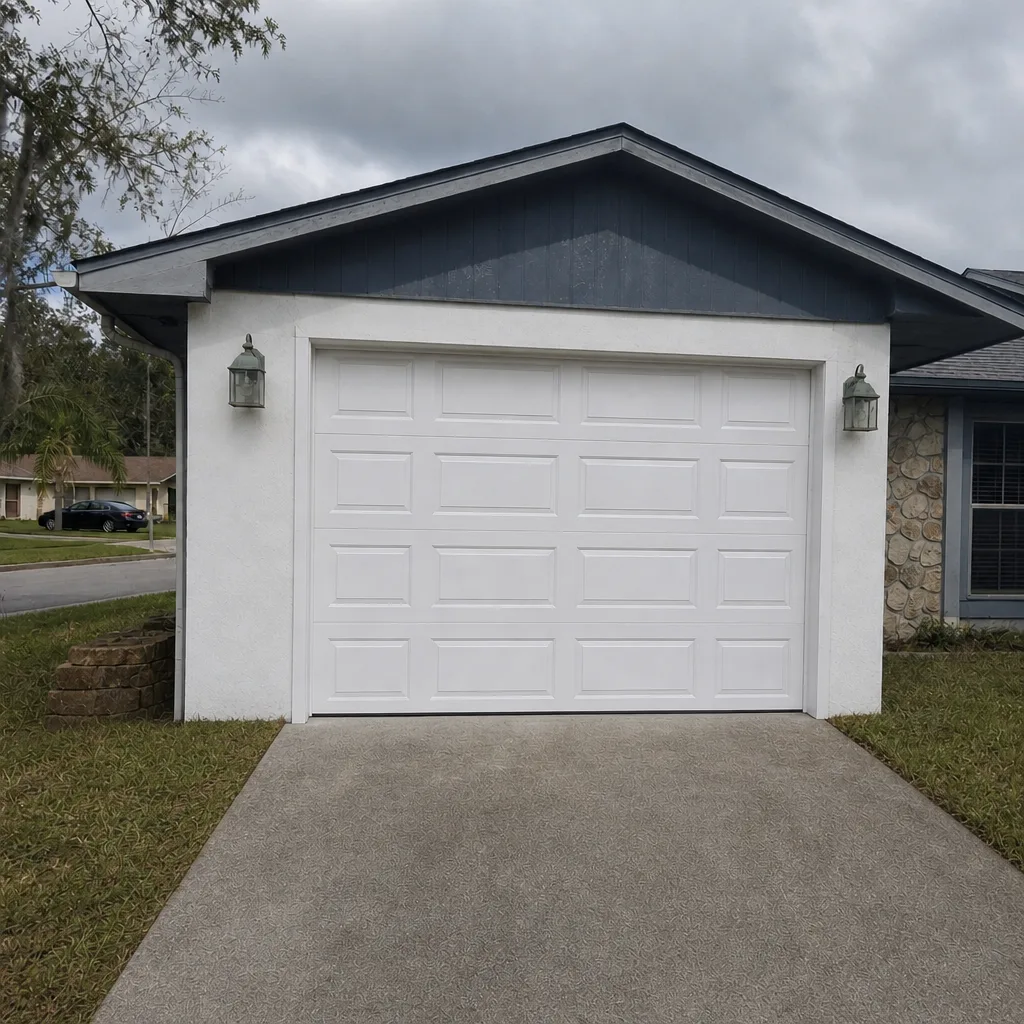 After
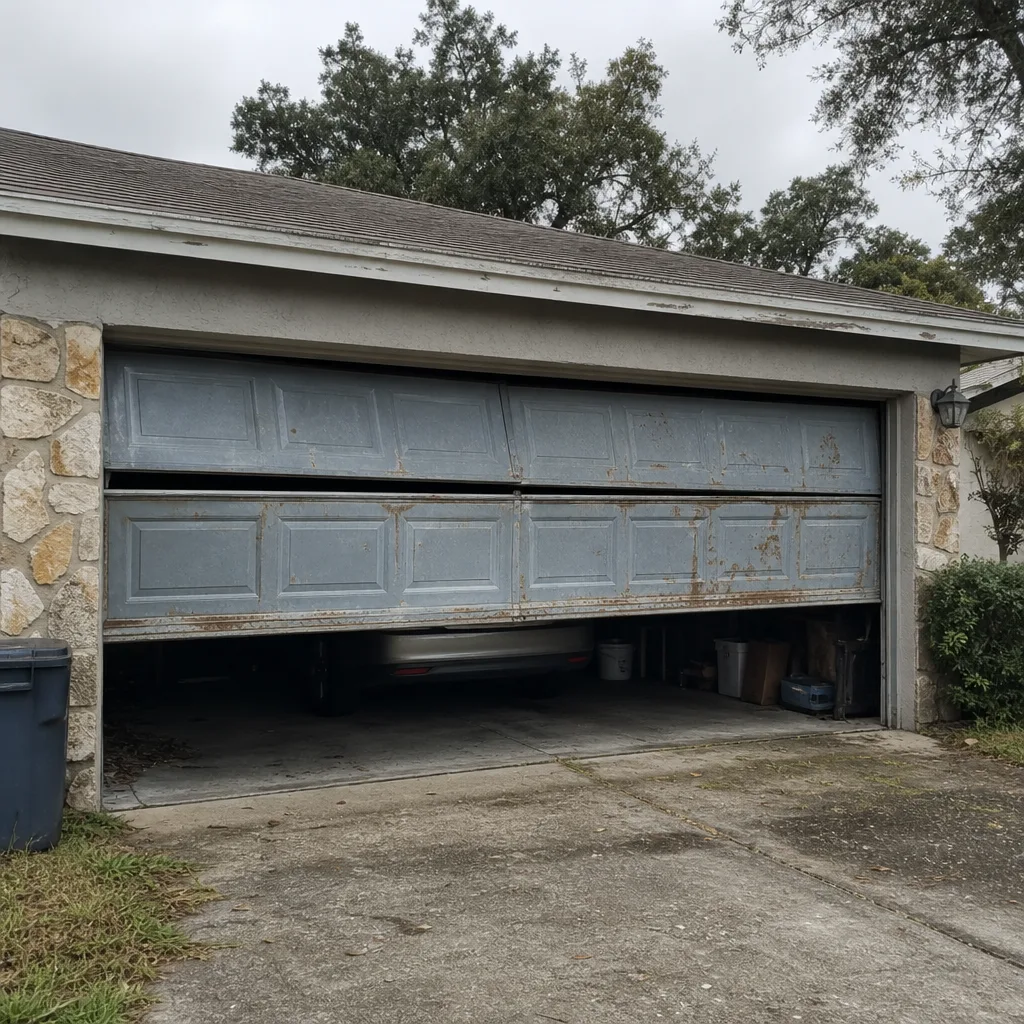 Before
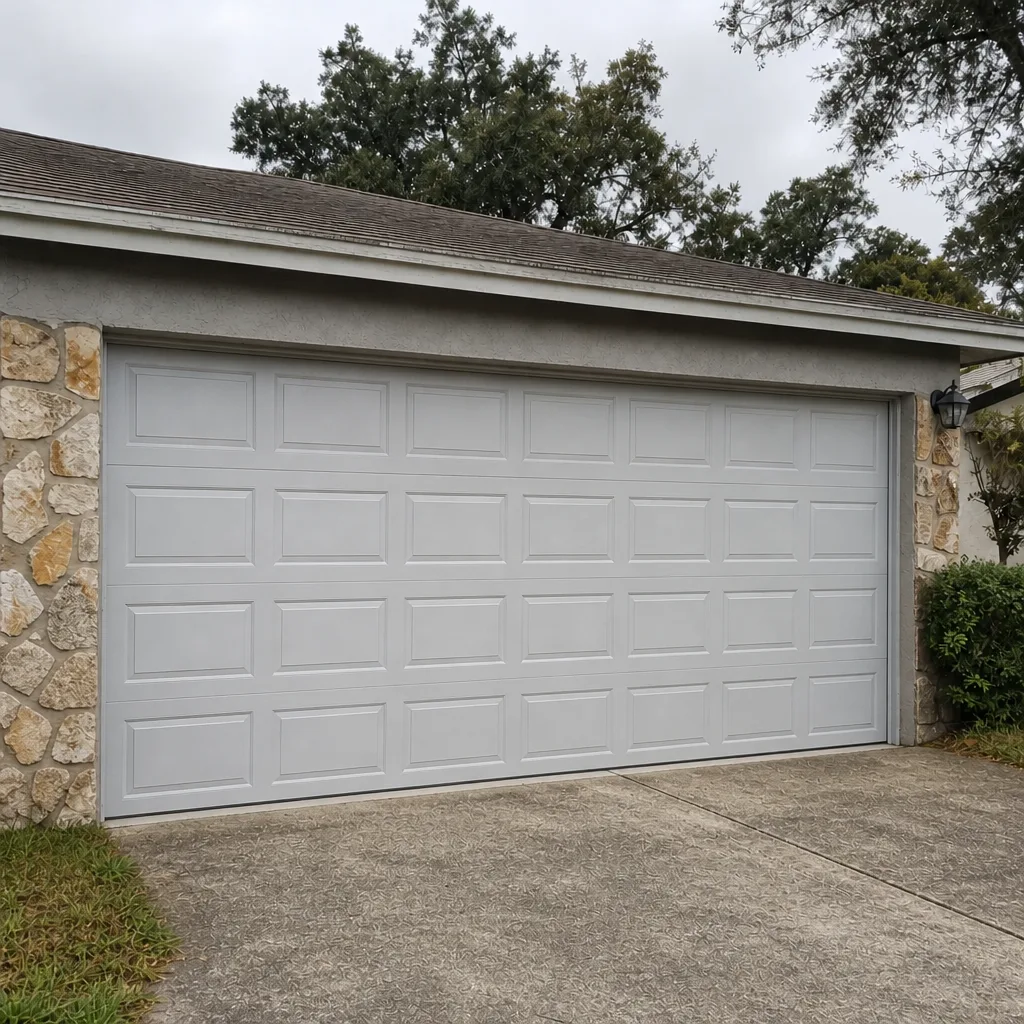 After
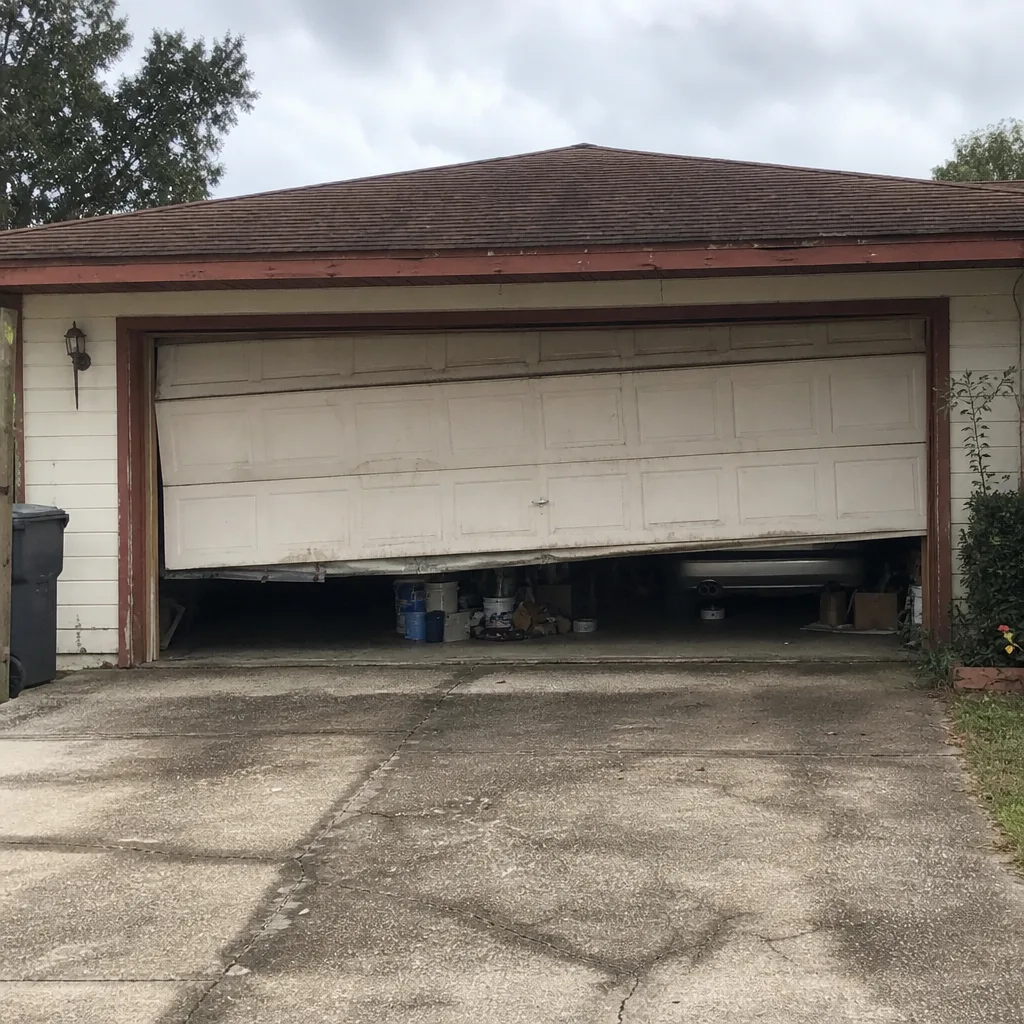 Before
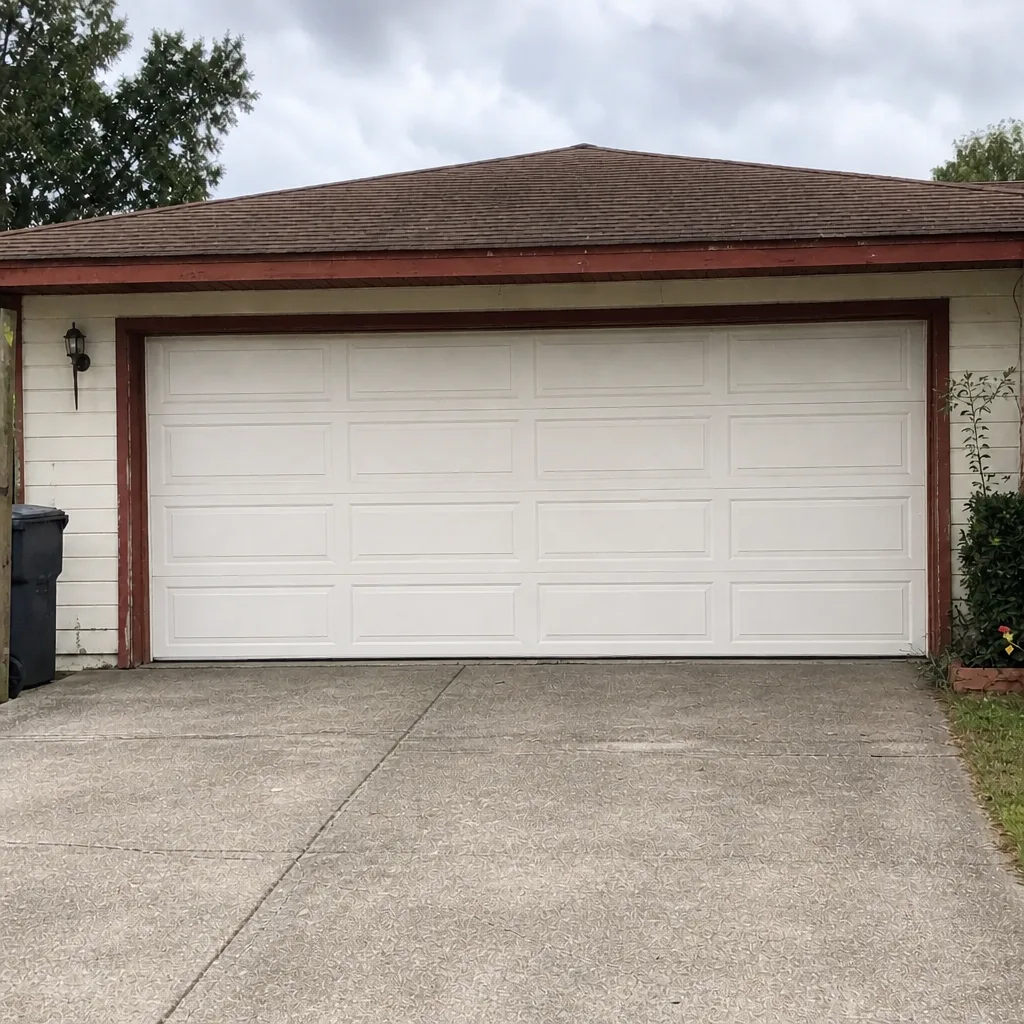 After
Frequently Asked Questions
No, that’s usually the safety system working as designed, not a breakdown. The door reverses because the sensor beam is blocked, misaligned, or fooled by glare, or because the travel limit is set to close too far. Clean and realign the sensors first, and check for anything in the beam’s path. If it still reverses after that, the travel setting needs adjusting, and a technician can set it correctly. Call (866) 283-8512 for an exact quote, and estimates are free.
Spring repair in Brandon typically runs by the spring, and a matched pair is usually replaced together because they wear at the same rate. A pair costs about twice a single spring, since both are under matched tension. The written estimate sets the final price before any work starts, so you’ll know the number up front. Call (866) 283-8512 for an exact quote. Estimates are free.
For repair calls, same-day service is often possible, and emergency garage door service is a core part of what we do. Call (866) 283-8512. We answer 24/7. Fast dispatch from 7am to 7pm, Sunday through Friday. A call outside dispatch hours is booked into the next opening. We’re closed Saturday, so a door that fails on a Saturday gets booked for Sunday.
No. The estimate is free, the work is quoted and agreed before it starts, and the written estimate sets the price. If the technician finds something different once the door is open, they’ll explain it and get your agreement before doing anything further. You won’t get an invoice bigger than the quote. Call (866) 283-8512 for an exact quote.
The local pros we connect you with are licensed and insured as their state requires, and they’re experienced with springs, openers, tracks, and full door installation. Our technicians have up to 9 years of experience across the eight major brands, including LiftMaster, Chamberlain, Genie, Clopay, Amarr, Wayne Dalton, Craftsman, and Raynor. Call (866) 283-8512 to talk through your door.
Intermittent faults in Brandon usually trace back to the sensors, not the opener. Afternoon sun can flood the receiver and break the beam, and humidity can fog the lenses. A door that works in the morning and reverses in the afternoon is telling you the sensor line of sight is being disturbed. Repositioning or shading the sensor usually solves it. Call (866) 283-8512 if it keeps happening.
The Bottom Line
A garage door that misbehaves is telling you something specific, and the skill is learning to listen before you act. Read the movement, the sound, and the stopping point, then match what you see to the symptom table. Check the sensors, tracks, rollers, and opener settings yourself. Leave the springs, cables, and anything under tension to a trained technician, because those parts store energy that can hurt you in a heartbeat. Brandon’s heat and humidity cause more intermittent faults than actual breakdowns, so a door that fails only sometimes usually has a fixable line-of-sight issue. When you need a hand, we’re here with free estimates, brand-specific knowledge, and a price agreed before we start.
Ready to stop troubleshooting and get it fixed? Call (866) 283-8512 for a free estimate. We answer 24/7. Fast dispatch from 7am to 7pm, Sunday through Friday. Whether it’s a spring, an opener, or a full replacement, one call covers it.
Written by the team at Brandon Garage Door Repair Pros.