
Last updated November 21, 2026
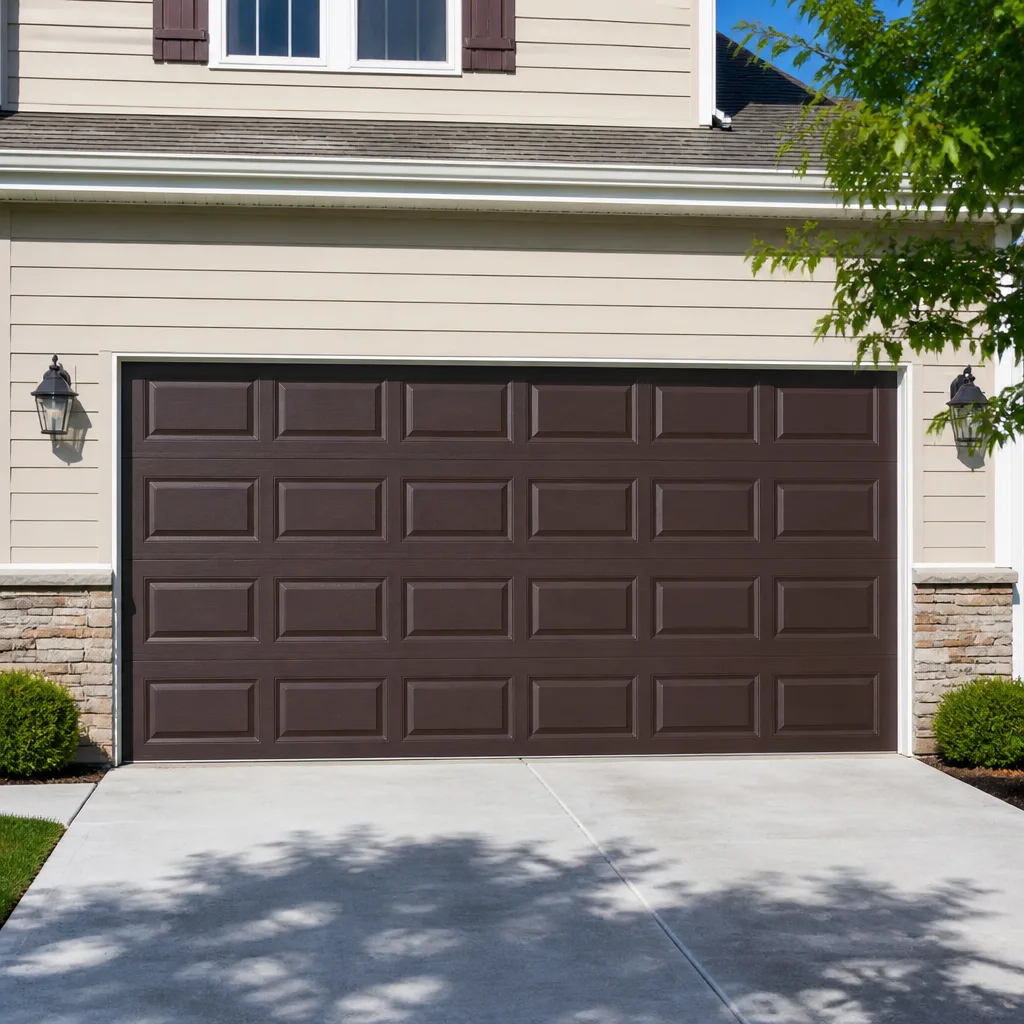 Raised-panel steel
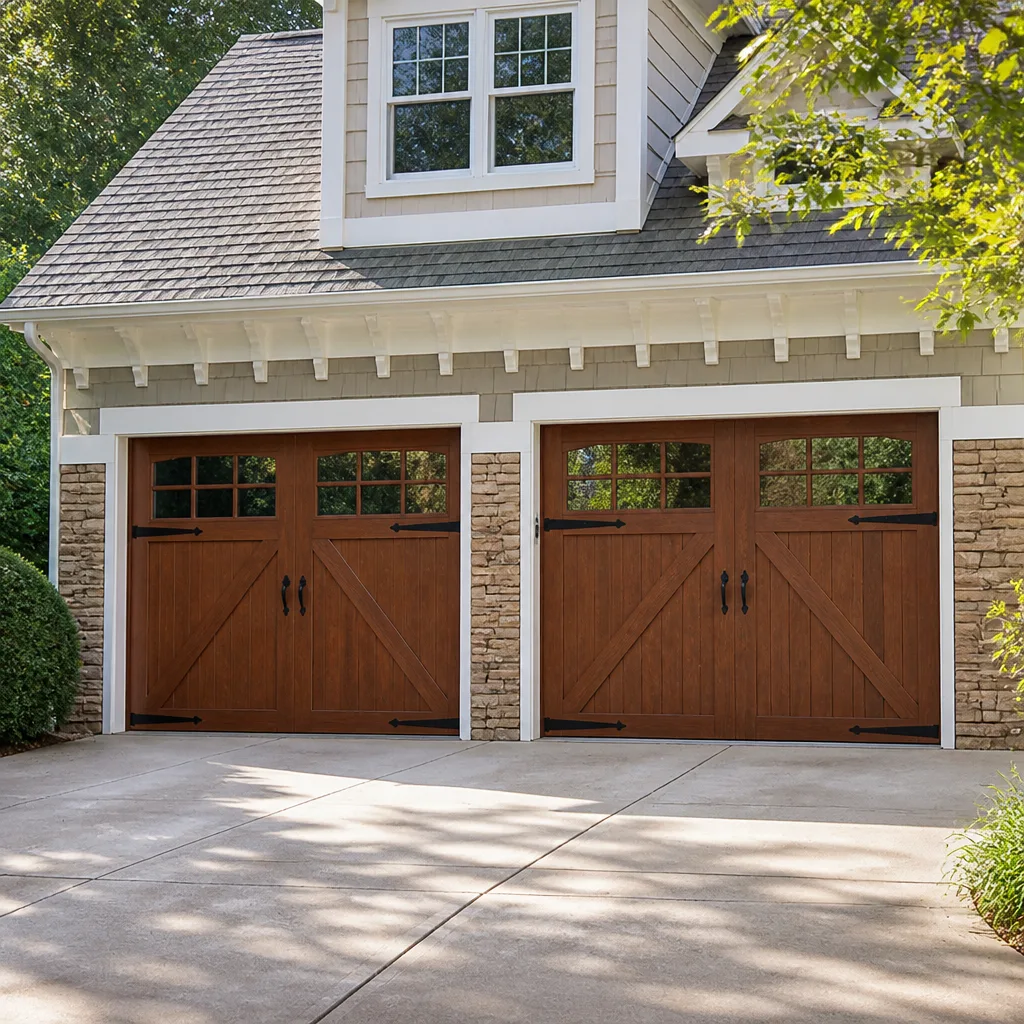 Carriage house
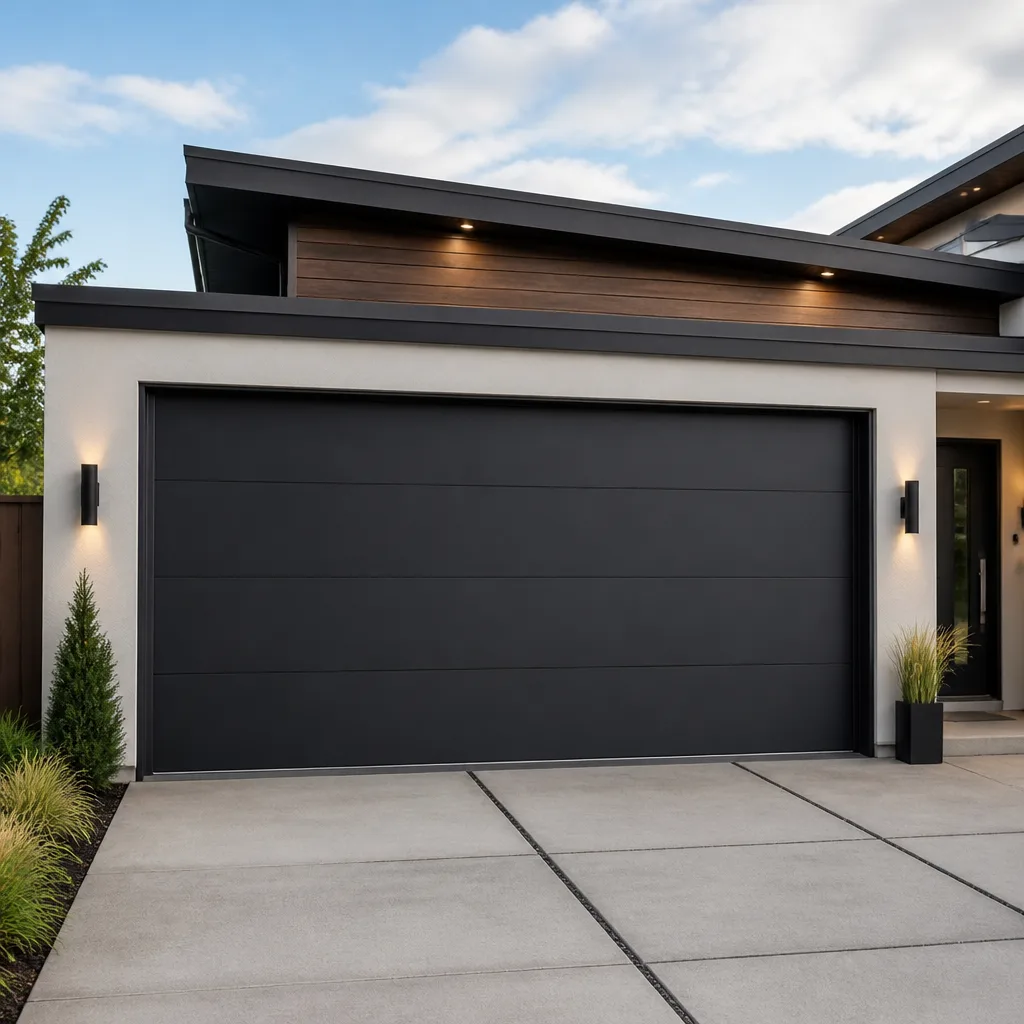 Modern flush
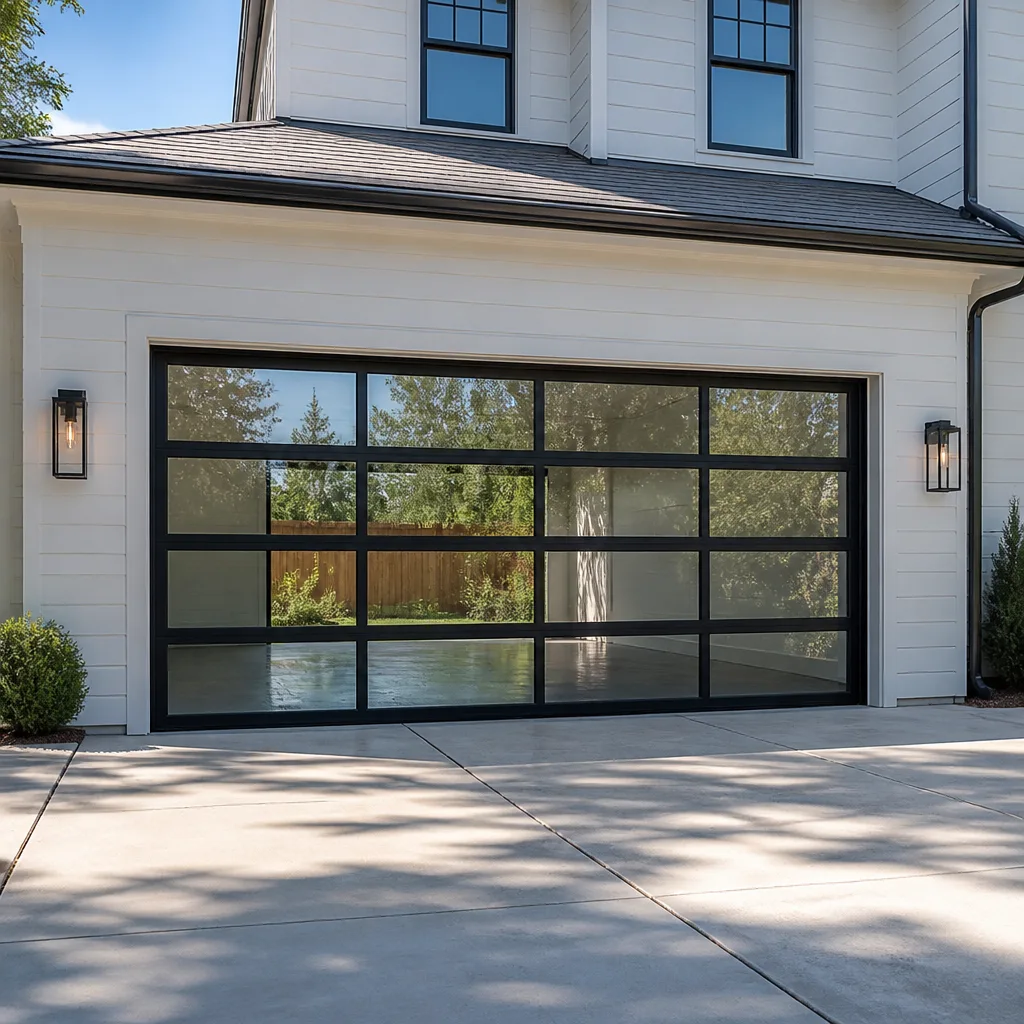 Full-view glass
 LiftMaster openers
 Chamberlain openers
Full 25-point door and opener safety check with every visit - springs, cables, rollers, tracks, and your LiftMaster or Chamberlain opener included
You get a price before we start. It does not change when the pro arrives.
Get your free estimateSeasonal Garage Door Care for Brandon: Year-Round Homeowner’s Guide
Most homeowners in Brandon treat garage door care as a repair topic. Something breaks, you call someone, it gets fixed. That approach misses what actually shortens the life of a door here. Brandon doesn’t really have four seasons. It has two: a wet, humid stretch from late spring through early fall, and a dry, high-use stretch from November through March. Maintenance plans built for places with hard winters and dry summers don’t fit that pattern. They over-protect hardware when nothing is happening and leave it exposed during the months that do the damage. This guide lays out what to check, when to check it, and why the weeks before hurricane season matter more than any other window in Brandon.
Quick Answer
The single most important maintenance window for a garage door in Brandon is the stretch before hurricane season begins, typically in May. That’s when you inspect and treat seals, tighten hardware, test your opener’s safety reverse, and lubricate moving parts before sustained humidity and storm-season wind stress set in. The dry months from November through March are the better window for painting panels, replacing hardware, and installing a new door. A monthly two-minute visual check fills the gaps in between.
Styles & brands we work with
- Raised-panel steel
- Carriage house
- Modern flush
- Full-view glass
- LiftMaster openers
- Chamberlain openers
Table of Contents
- Why Brandon Has Two Seasons, Not Four
- The May Checklist: Getting Ready for the Wet Stretch
- After the Storm: What Wind Stress Does to Springs and Seals
- November Through March: The Real Project Window
- Temperature Swings and Opener Sensitivity
- Your Year-Round Garage Door Calendar for Brandon
- What Brandon Neighborhoods Tell You About Door Wear
Why Brandon Has Two Seasons, Not Four
Drive through Brandon in July and the air feels like a wet towel. Drive through in January and you’ll want a jacket in the morning and shorts by lunch. That’s the climate our doors live in, and it changes what “seasonal maintenance” means.
The wet stretch matters because humidity finds every gap. It works on steel panels, hinges, rollers, and the bottom seal. Wood components swell and shrink. Lubricant that’s fine in a dry climate can thin out and migrate when the air is saturated. Meanwhile, the dry stretch from November through March brings cool nights followed by warm afternoons, and that daily back-and-forth puts the door’s mechanical parts through hundreds of small expansion and contraction cycles.
The practical takeaway: a maintenance plan built for a northern climate, with its big spring and fall tune-ups, is aimed at the wrong months here. In Brandon, the two dates that matter are early May, before the humidity settles in, and late October, before the dry season’s heavy use begins. Everything else is a small monthly habit that catches problems before they become expensive.
It also helps to know what your door is made of. A Clopay steel door handles humidity differently than a wood-composite or older Wayne Dalton model. If you’re not sure of your door’s construction, that’s one of the first things to establish. Brand-specific knowledge applies to entire systems, not just openers.
The May Checklist: Getting Ready for the Wet Stretch
Sustained humidity is the enemy here, and it arrives like a switch. The weeks before it sets in are your best chance to protect everything that moisture will attack over the following months. This is the checklist we’d run on any door in Brandon heading into late spring:
- Inspect the bottom seal and side weatherstripping. Run your hand along the bottom seal with the door closed. It should sit flush against the floor with no gaps or flattened spots. A cracked or compressed seal lets humid air and water in, and it also lets pests through. Replace it before the rainy stretch, not after.
- Lubricate hinges, rollers, and the torsion shaft bearings. Use a garage door lubricant, not WD-40, which is a solvent and will dry out the moving parts. Apply to each hinge pivot, each roller stem, and the bearing plates. Do this before humidity peaks so the lubricant is doing its job when moisture is highest.
- Tighten all visible bolts. Vibration loosens bolts over time. Check the hinges, the bracket plates, and the track fasteners. Snug, don’t overtighten. If you find a track bracket that’s pulled loose from the framing, stop and get professional eyes on it.
- Check the balance of the door. Disconnect the opener and lift the door halfway by hand. It should stay there without drifting down. If it drops, the springs may be losing tension, and that’s a spring issue, not a lubrication one. Spring work is where injuries happen, so leave adjustment and replacement to a trained technician.
- Clear the tracks. Wipe the inside of each track with a damp cloth and remove any debris. Don’t grease the tracks. They’re meant to stay clean and dry, and grease just collects grit.
- Test your opener’s safety reverse. Place a roll of paper towels in the door’s path and close it. The door should reverse on contact. Also test the photo-eye sensors by waving an object through the beam. If either test fails, the opener needs attention before storm season.
- Clear the drainage around the door. Check that water runs away from the threshold rather than pooling against it. Standing water at the base of the door is the fastest route to a rotting bottom section.
None of this takes more than an hour. It’s also the window most homeowners skip, because nothing has broken yet. That’s exactly why it works. If you’d rather have a trained eye run it, our garage door repair team can go through it with you and flag anything that needs more than routine attention.
After the Storm: What Wind Stress Does to Springs and Seals
Here’s the thing about wind damage to a garage door: the visible damage tells you almost nothing. A door can come through a strong storm looking fine and still have a compromised torsion spring or a bottom seal that’s been forced out of its channel and won’t keep water out anymore.
When hurricane-force wind pushes against a closed door, the entire assembly absorbs the load. The torsion spring, which holds the door’s weight in balance, takes the strain at every point along its coil. Wind pressure can nudge a spring slightly out of its wound position, or stress a cable that was already at the end of its service life. The door may still open and close. It may just do so a little louder, or with a slight hesitation, and that’s the only warning you get. Cables and springs are under serious tension, and the failure of either can cause real injury. Never try to inspect or adjust them by hand.
After a major storm, walk this protocol:
- Look for a door that’s visibly out of square, off its tracks, or sitting unevenly at the bottom.
- Listen. An uneven, grinding, or banging sound during the first cycle after a storm is a signal to stop and call.
- Check the bottom seal for gaps. Wind can force it out of its channel, and a seal that’s no longer making contact lets water and pests in.
- Test the opener’s safety reverse again, since wind stress can shift the door enough to change how the sensors read the travel.
- Look at the panels for dents, cracks, or separation at the seams. Cosmetic surface damage can hide a cracked structural section.
If anything looks off, don’t cycle the door repeatedly to “test it out.” Each cycle puts more stress on a compromised part. If you’re not sure whether that hesitation is serious, that’s the right moment to have a technician look. Our garage door spring repair service is built around exactly this kind of post-storm inspection, and we treat springs as a specialty rather than an afterthought. When your garage door won’t move smoothly, neither does your day, so it’s worth getting it checked rather than living with the noise.
November Through March: The Real Project Window
Once the humidity drops, Brandon gets its most comfortable stretch and its highest-use stretch at the same time. Cool mornings and warm afternoons mean the garage door cycles more often, with more in-and-out traffic. And because the weather is dry and stable, this is the best time of year for the work that takes longer than an adjustment.
Three projects in particular:
Painting or refinishing panels. Paint needs stable humidity and moderate temperatures to cure properly. Applying paint in the middle of the wet stretch risks adhesion problems and uneven curing. The dry months give you a clean finish that actually lasts.
Full hardware replacement. Replacing rollers, hinges, and bearing plates on a dry, cool day is easier to do right, and there’s less chance of moisture getting into the joints before the new hardware is seated.
New door installation. If your door is near the end of its service life, the dry season is the time to install. Replacement work is measured, ordered, and scheduled, so it’s worth planning it for November through March and booking ahead rather than squeezing it into storm season. A new Clopay or Amarr door installed in the dry stretch has time to settle before its first real humidity test.
It also helps that the dry months are when homeowners can stand in their driveway for twenty minutes without sweating through a shirt. That makes it the ideal time to actually assess whether the door needs repair or replacement, and to get a written estimate before making the call. Our garage door repair and installation work is available year-round, but the dry season is when the bigger projects make the most sense.
Temperature Swings and Opener Sensitivity
A Brandon winter day might start at 52 and hit 78 by mid-afternoon. Your garage door opener doesn’t know it’s winter, but it feels those swings. Modern openers from LiftMaster, Chamberlain, and Genie rely on force and travel settings that are calibrated at one temperature and can drift when the metal and seals they’re working against expand and contract with the day.
The symptom is usually small. The door closes a little slower, or reverses at the last inch, or the arm jolts slightly at the start of travel. Most people assume the opener is failing. Often it’s just a setting that needs recalibrating for the current conditions.
Two things to check when the opener acts up:
- The safety reverse setting. If your opener model allows sensitivity adjustment, re-test the safety reverse with the paper-towel method at the start of the dry season and again in early summer. If the door doesn’t reverse on contact, that’s a safety issue and needs immediate attention.
- The travel limits. If the door doesn’t fully close or opens by itself, the travel limits may need a small adjustment. This is a job for someone familiar with your specific opener model, since the adjustment procedure differs between a LiftMaster, a Genie, and a Chamberlain unit.
If your opener has been on the same settings for several years, it’s probably due for a re-check. Our garage door opener repair covers everything from recalibration to full replacement, and we work on the smart-home-compatible brands most Brandon homeowners have.
Your Year-Round Garage Door Calendar for Brandon
Rather than “check periodically,” here’s a specific month-by-month rhythm that fits the two-season split:
- Every month: Visual check of the bottom seal, tracks, and hardware. One cycle by ear to listen for new noises. Test the safety reverse.
- January – February: Best window to schedule a full balance and opener check while the weather is dry and comfortable. Lubricate if it’s been a while.
- March: Clean and inspect all moving parts after the dry season’s high-traffic months. Check the torsion spring visually for rust or separation. Don’t touch it, just look.
- April: Pre-hurricane prep begins. Tighten hardware, check the bottom seal, and clear drainage around the threshold.
- May: The full pre-rainy-season checklist above. This is the most important maintenance week of the year for a Brandon door.
- June – October: Monthly visual inspections during storm season. Post-storm inspections after any named storm or high-wind event.
- November: Post-storm season full inspection. Address any damage before the dry-season project window opens.
- December: Schedule painting, hardware replacement, or new door installation for the dry stretch. Get a written estimate before the work is booked.
If you’re a snowbird, the calendar shifts slightly. The house sits unused through the wet season, so your May checklist and your November inspection carry more weight, since you’re not there to catch small problems as they develop. It’s worth having a professional run a seasonal inspection before you leave for the summer and again when you return.
What Brandon Neighborhoods Tell You About Door Wear
Door wear isn’t uniform across Brandon, and it’s not about the door’s brand alone. It’s about where in the area you live, how much sun and rain the garage face gets, and how often the door cycles.
Homes in subdivisions around Bloomingdale and Providence tend to have garages facing the afternoon sun, which fades paint and heats the door panels through the summer. On those doors, the paint finish and the spring tension deserve a closer annual look. The Riverview and Valrico edges of the Brandon area see garages with more tree cover, which means more leaf debris in the tracks and more moisture held around the bottom seal. And in the older parts of Brandon closer to the center, doors are more likely to be original equipment on homes of a certain age, which makes them more likely to be due for full hardware replacement rather than a spot repair.
None of this changes the seasonal schedule itself. It changes where to look first. If your door lives under heavy sun or heavy shade, its May inspection should spend more time on the bottom seal and finish than a door in a more neutral spot.
Common Mistakes to Avoid
- Waiting for a break to trigger maintenance. A spring that snaps is doing its job until the day it isn’t. The May and November inspections exist to catch issues before they become emergencies. If your door is cycling once or twice a day, the wear is happening whether or not anything has failed yet.
- Greasing the tracks. Tracks should stay clean and dry. Grease collects grit, which accelerates roller wear. Lubricate the hinges and rollers, not the tracks.
- Using WD-40 as a lubricant. It’s a solvent, not a garage door lubricant. It can strip the existing lubricant and leave the moving parts drier than before.
- Adjusting torsion springs yourself. This is the most dangerous part of garage door work. The spring stores enough force to cause serious injury. If the door won’t balance, call a professional rather than reaching for a wrench.
- Testing a storm-damaged door by cycling it repeatedly. Each cycle puts more stress on a part that may already be compromised. If the door hesitates or sounds wrong after wind, stop and get it inspected.
- Painting in the wet season. Paint applied during high humidity is more likely to cure poorly and fail early. Save refinishing for November through March.
- Ignoring an opener’s minor signs. A door that reverses at the last inch or opens by itself is often a calibration problem, not a failing opener. But if it’s left unaddressed, it can become a safety issue.
See the difference
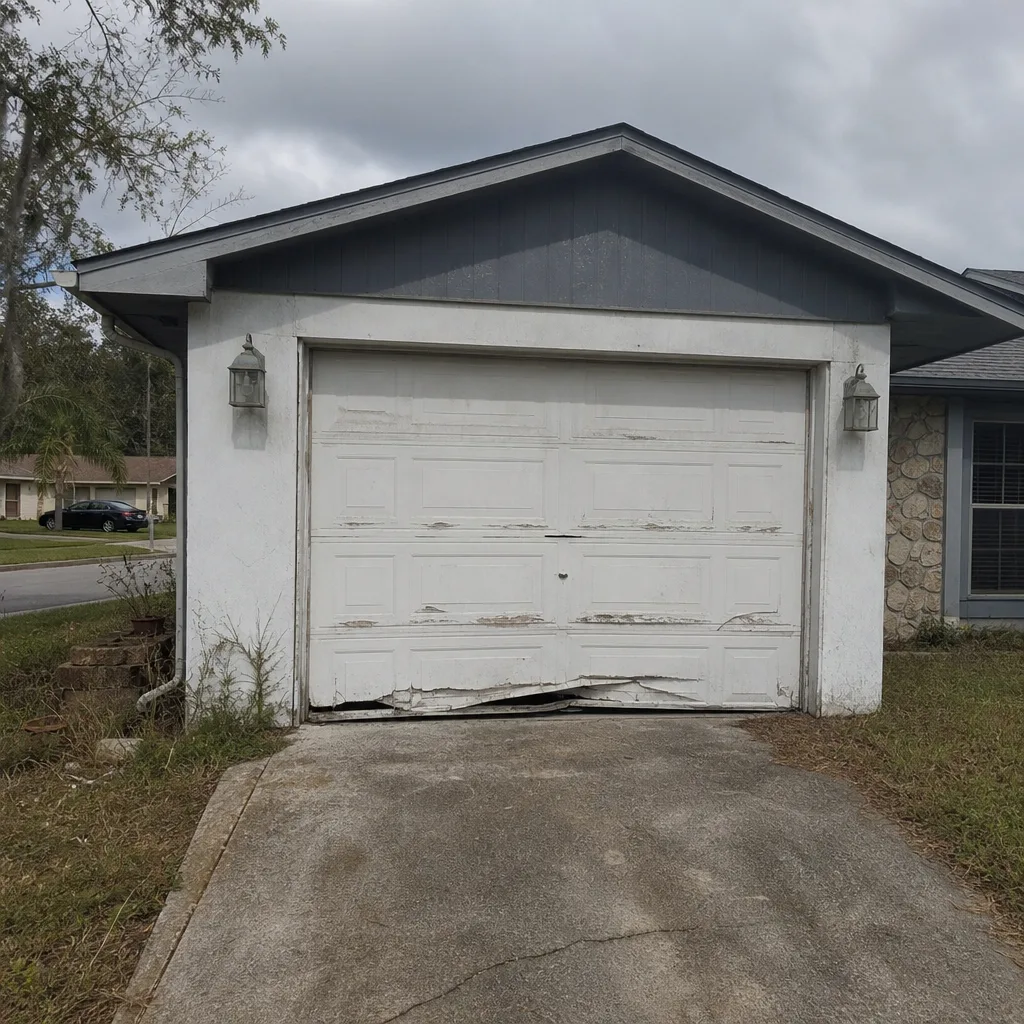 Before
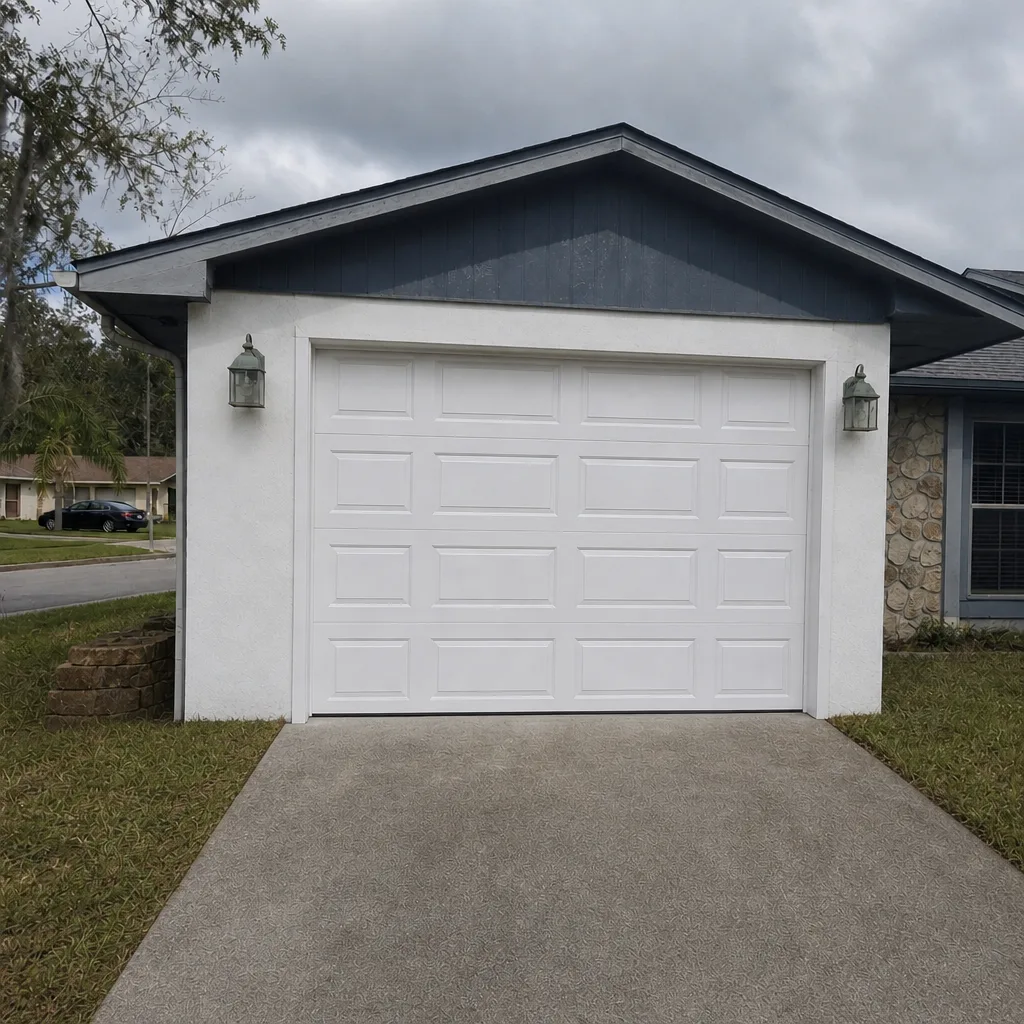 After
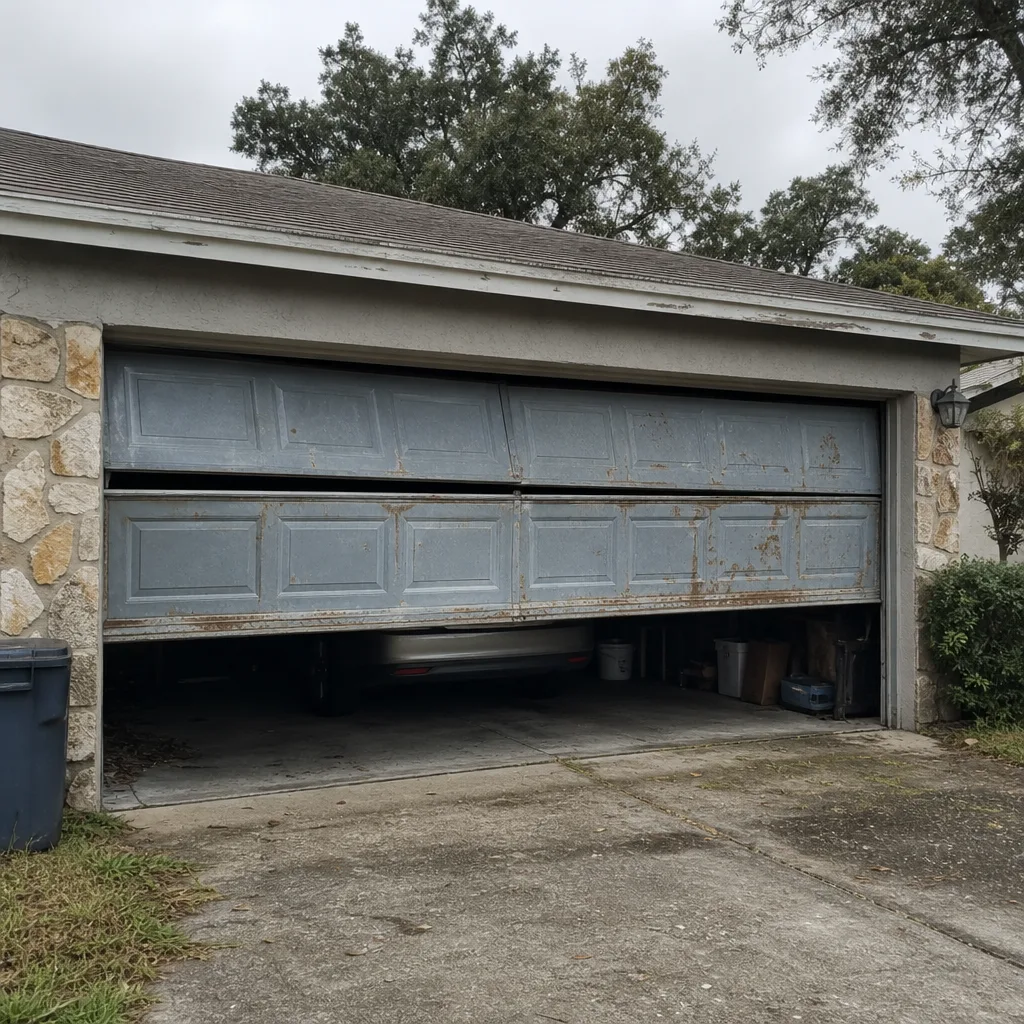 Before
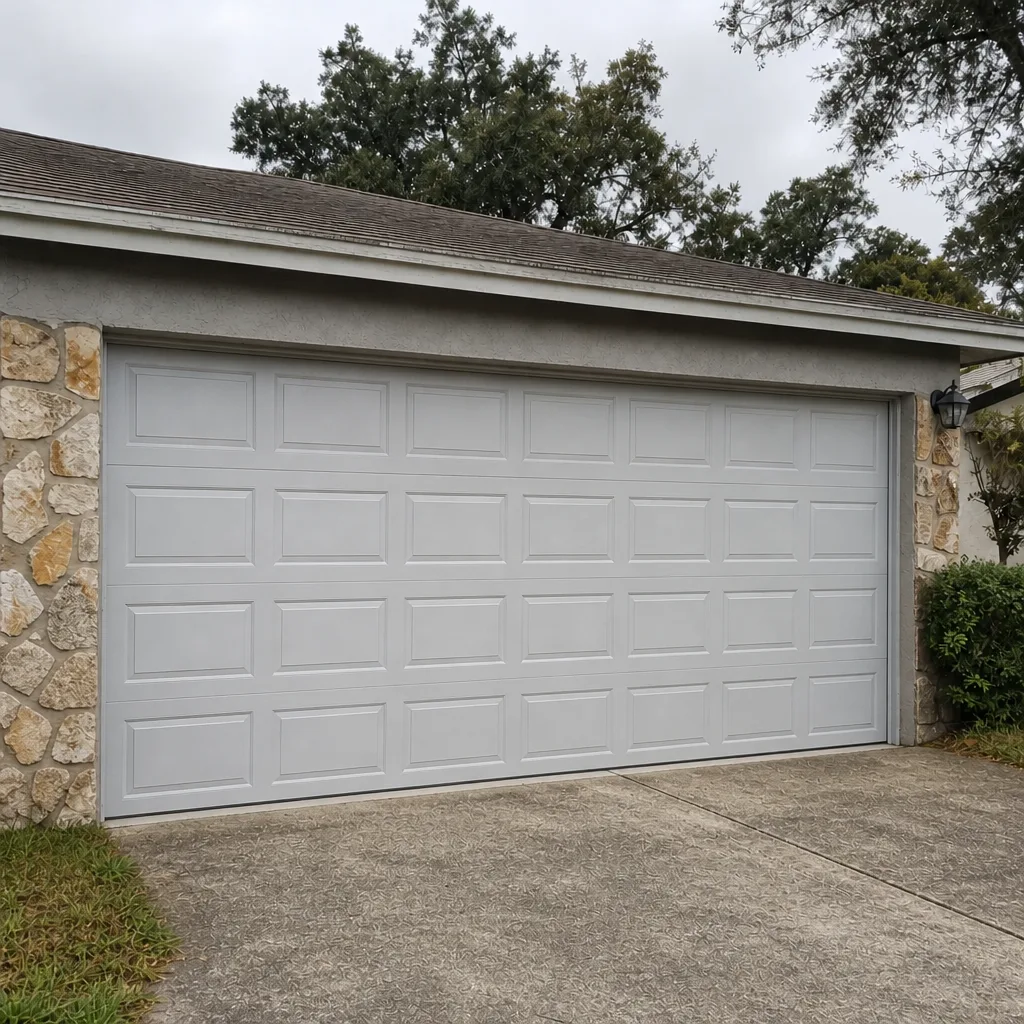 After
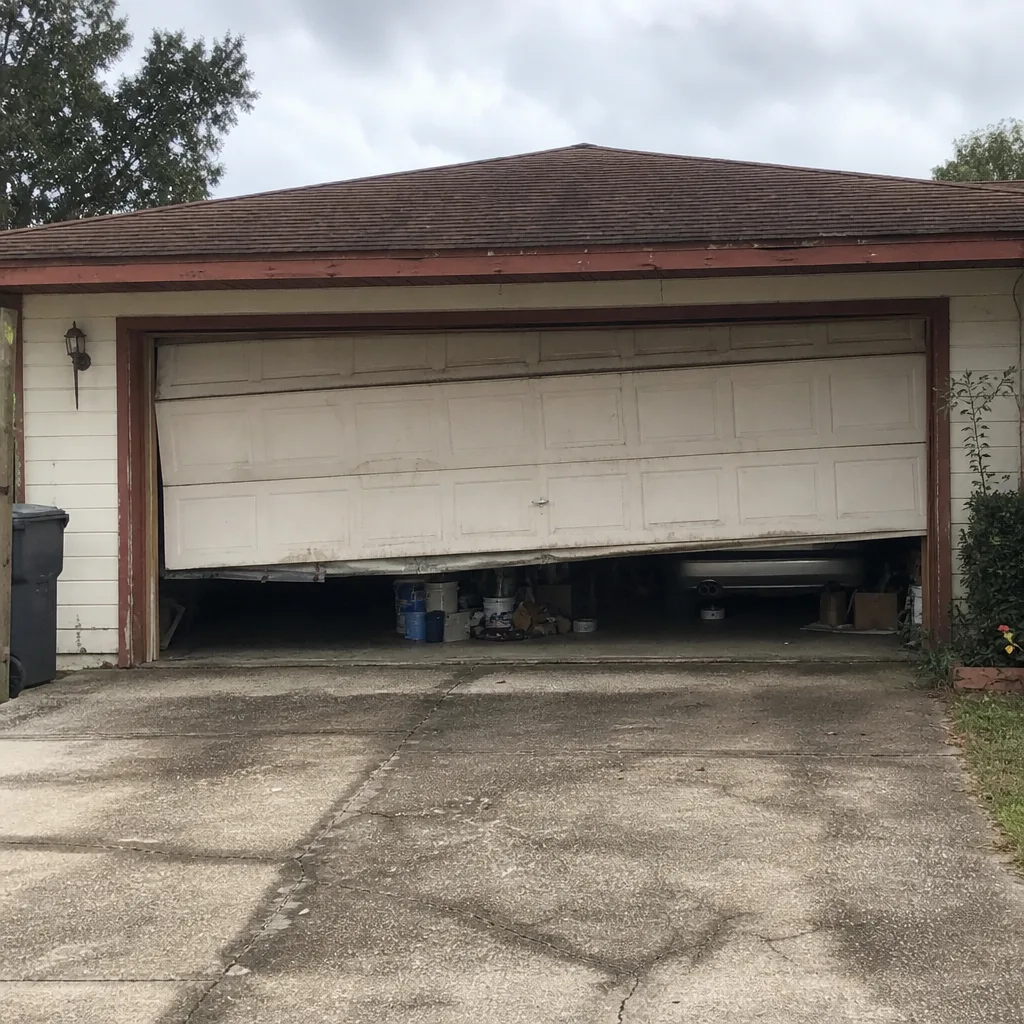 Before
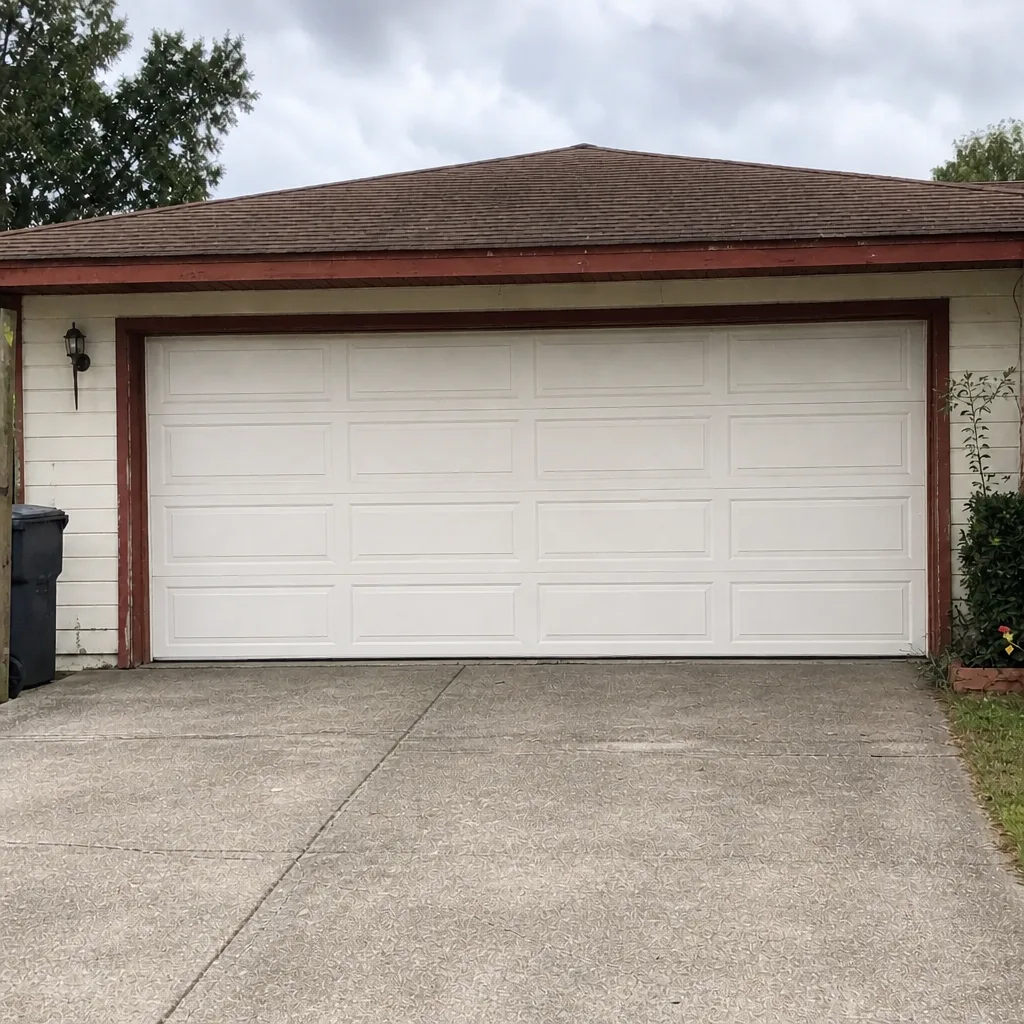 After
When to Call a Professional
Some of this maintenance is genuinely homeowner-friendly. Seal checks, lubrication, and visual inspections are safe for anyone with a ladder and an hour to spare. The line to call a professional is where springs, cables, openers, or structural panels are involved. If the door won’t hold its balance when you lift it by hand, if you hear grinding or banging, if a spring shows rust or separation, or if the door is off its tracks after a storm, that’s the moment to call rather than the moment to investigate further.
Brandon Garage Door Repair Pros works on LiftMaster, Chamberlain, Genie, Clopay, Amarr, Wayne Dalton, Craftsman, and Raynor systems, so whoever built your door, we’ve worked on it. Our technicians have up to 9 years of experience, and spring repair is a named specialty for us, not an add-on. Brandon Garage Door Repair Pros offers free estimates in Brandon. Call (866) 283-8512. We answer 24/7. Fast dispatch from 7am to 7pm, Sunday through Friday. Every price is quoted and agreed before any work starts, and the written estimate is the price you pay.
Frequently Asked Questions
Twice a year for a full inspection, with monthly visual checks in between. The two full inspections should land in early May (before humidity and hurricane season) and late November (after storm season and before the dry-season project window). That schedule fits Brandon’s climate better than the spring-and-fall pattern used in colder regions. If you’re unsure when your door was last looked at, a spring-inspection call is the best place to start.
Yes. The pre-hurricane-season checklist in May is the most important maintenance window for a door here. It covers tightening hardware, checking the bottom seal for gaps, testing the opener’s safety reverse, and clearing drainage. Getting this done before the wet stretch means your door is in the best shape it can be when wind stress arrives. It’s also the window most households skip because nothing has broken yet.
Look at the door’s alignment, listen for grinding or hesitation on the first cycle, and check the bottom seal for gaps. Wind stress can compromise a torsion spring or cable without any visible damage. If the door cycles unevenly or louder than usual, stop testing it and get a professional to look, since repeated cycles put more stress on a weakened part. Spring and cable inspection should always be done by a trained technician.
You can, but it’s the wrong window. Paint cures best in stable, dry conditions, which Brandon gets from November through March. Applying paint during the wet, humid stretch risks adhesion problems and an uneven finish. The dry season is also the better months for full hardware replacement and new door installation, since the work doesn’t have to fight the weather.
Not necessarily. Cool nights followed by warm days can shift the door’s travel and the opener’s sensitivity settings. A door that reverses at the last inch or opens by itself is often a calibration issue. It’s worth having it checked, especially if the behavior is new. If the door doesn’t reverse on contact with an object, treat that as a safety problem and have it addressed right away.
Yes. If the home sits unused through the wet season, your pre-departure and pre-return inspections carry more weight. Schedule a full check in late spring before you leave and again in late fall when you return. The door doesn’t stop wearing while the house is closed, and small issues can develop over the summer without anyone noticing.
Call (866) 283-8512 for a free estimate. We answer 24/7. Fast dispatch from 7am to 7pm, Sunday through Friday. If you call outside dispatch hours, we’ll book you into the next opening. Our team works on the brands most Brandon homeowners have, from a LiftMaster opener that needs recalibrating to a full Clopay or Amarr replacement.
The Bottom Line
Brandon’s garage doors have two seasons to worry about: a wet, humid stretch and a dry, high-use one. The maintenance work that matters most happens before each begins. Treat May as the pre-hurricane inspection deadline, and treat November through March as the window for painting, hardware replacement, and new door installation. In between, run a monthly visual check and test the opener’s safety reverse. Leave springs, cables, and opener adjustments to a technician. You don’t need a complicated plan. You need two dates on the calendar and a habit of looking at the door before something goes wrong. Brandon Garage Door Repair Pros can help with the inspection, the repair, or the replacement when the time comes. Call (866) 283-8512 for a free estimate.
Written by the team at Brandon Garage Door Repair Pros.