
Last updated November 21, 2026
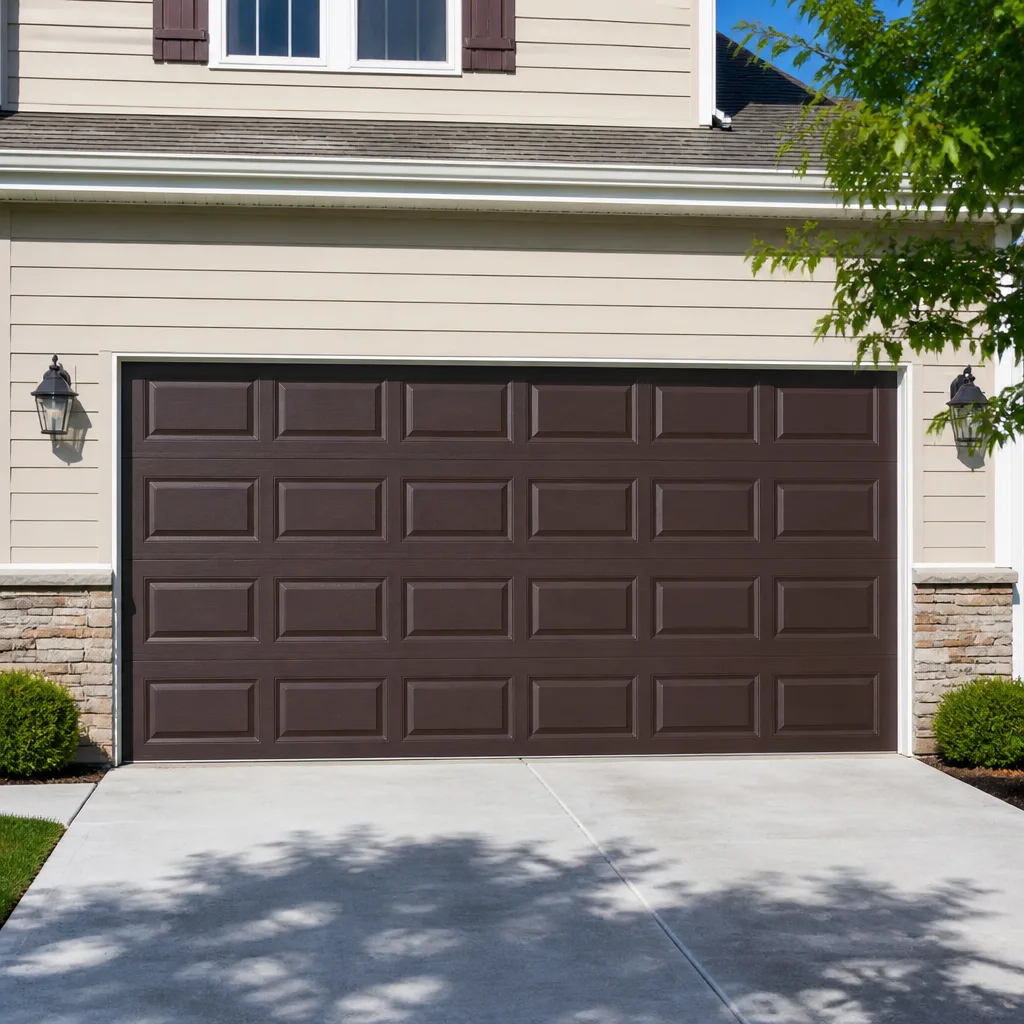 Raised-panel steel
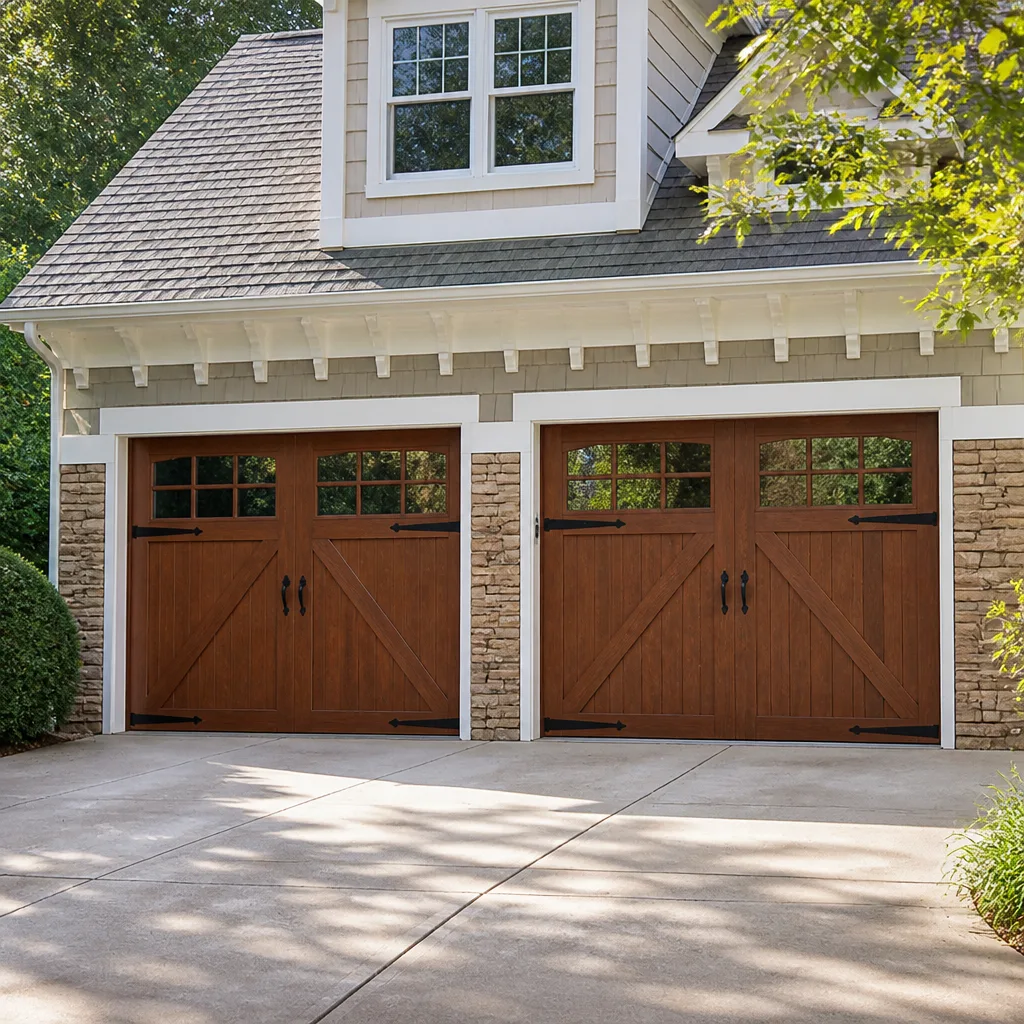 Carriage house
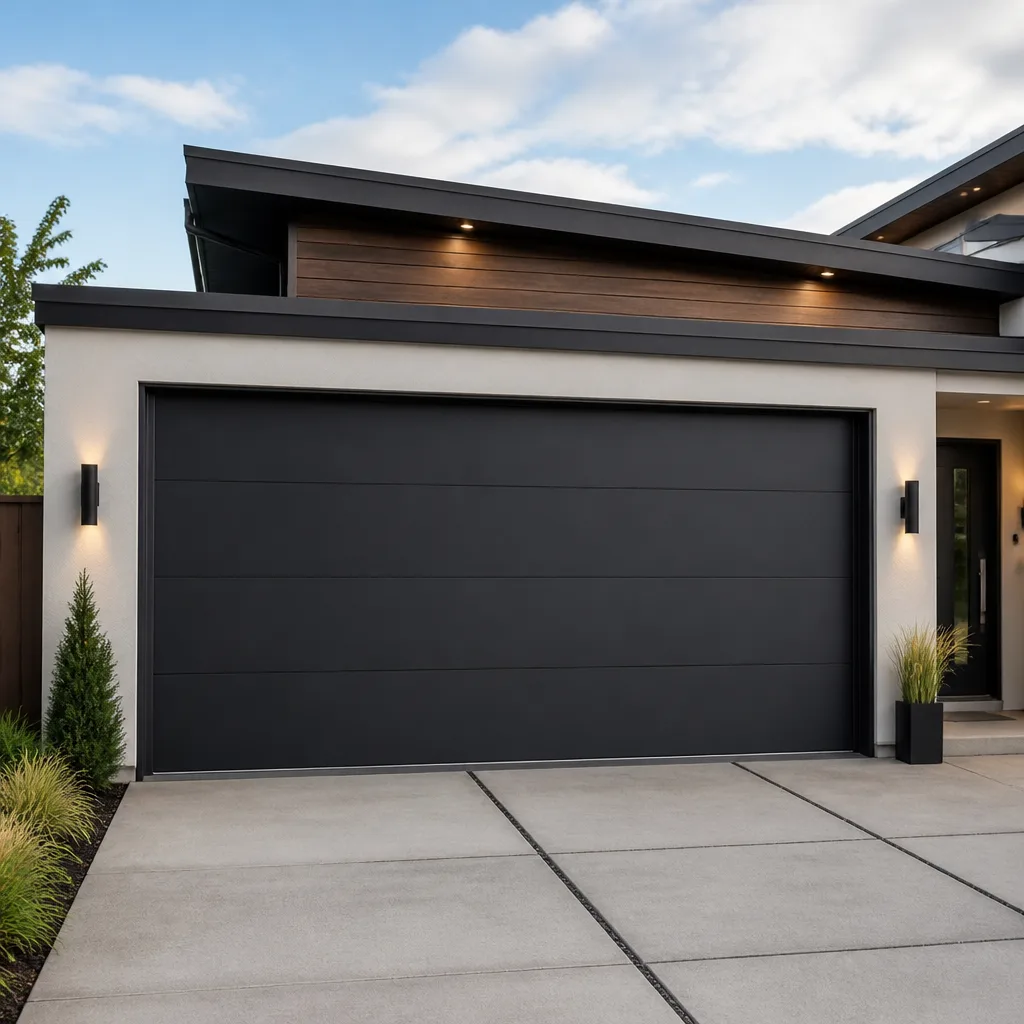 Modern flush
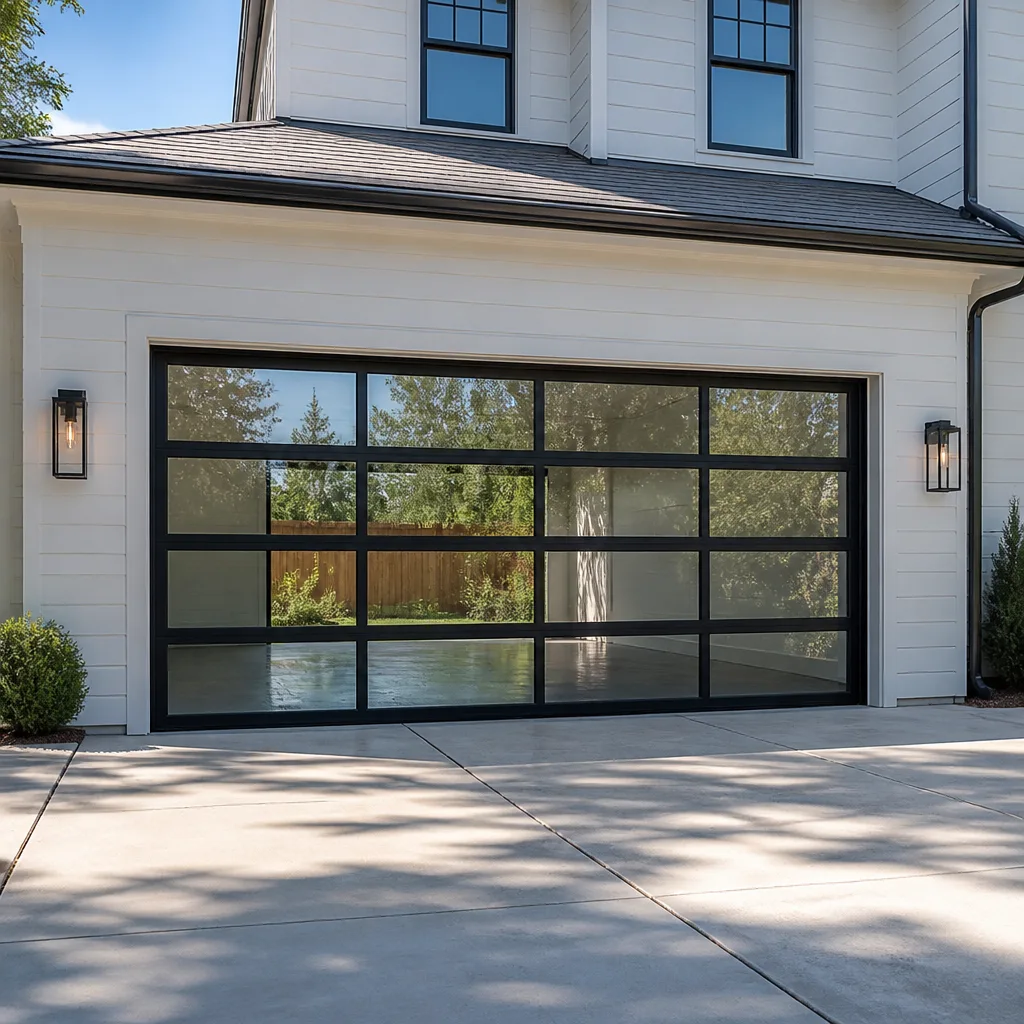 Full-view glass
 LiftMaster openers
 Chamberlain openers
Full 25-point door and opener safety check with every visit - springs, cables, rollers, tracks, and your LiftMaster or Chamberlain opener included
You get a price before we start. It does not change when the pro arrives.
Get your free estimateGarage Door Warning Signs: A Brandon Homeowner’s Reference Guide
A grinding noise and a scraping noise coming from your garage door opener are not the same problem. One usually means a dry or worn drive gear. The other can mean the door is days away from dropping. That distinction is the whole point of this guide. Most garage door failures don’t happen without warning – they’re preceded by specific sounds, movements, and timing patterns that mean very different things depending on which component is involved. Brandon homeowners who learn to tell those signals apart avoid the 2am calls and the surprise emergency repair. Below, we walk through sound, behavioral, and visual warning signs, how they map to specific parts, which ones mean stop using the door immediately, and which can wait for a scheduled visit.
Quick Answer
Garage door warning signs in Brandon fall into three groups: sounds (grinding, squealing, popping, clicking), behavior (hesitating, reversing, moving unevenly), and visual cues (frayed cables, spring gaps, rust, panel cracks). Grinding and clicking usually point to the opener or rollers and are rarely urgent. Popping, a visible spring gap, or a frayed cable means stop using the door and call for garage door spring repair immediately. Humid Brandon summers accelerate rust and cable corrosion, so these signs often appear faster here than they do in drier climates.
Styles & brands we work with
- Raised-panel steel
- Carriage house
- Modern flush
- Full-view glass
- LiftMaster openers
- Chamberlain openers
Table of Contents
- The Sound-Based Diagnostic Guide
- Behavioral Warning Signs: Hesitating, Reversing, Moving Unevenly
- Visual Warning Signs You Can Spot From the Driveway
- Why Warning Signs Appear Faster in Brandon
- Urgency Triage: Stop Now vs. Schedule a Visit
- Opener-Specific Warning Signs
- A Seasonal Checklist for Brandon Homeowners
- Common Mistakes to Avoid
The Sound-Based Diagnostic Guide: What Each Noise Tells You
Sound is the fastest way to narrow down which component is failing, because each part of a garage door system makes a distinct noise when it wears. Here’s how the four most common sounds map to the parts underneath them.
Grinding
Grinding usually comes from the opener’s drive gear or from dry rollers moving along a worn track. A grinding opener often has a stripped plastic gear inside, which is a cheap internal part. Grinding at the track means the rollers are worn or the track has bent slightly out of alignment. Neither is a structural danger, but both get worse with use and both wear the opener motor faster.
Squealing
Squealing points to friction: dry hinges, dry rollers, or a torsion spring that has lost its lubrication. It’s the most benign of the warning sounds and the easiest to address. If the squeal started suddenly and comes from a single hinge, the hinge pin is likely dry or slightly bent.
Popping
A sharp popping sound – especially a single loud pop followed by the door not moving – often means a torsion spring has broken. Sometimes it’s a cable that has jumped its drum. Both are dangerous. A door with a broken torsion spring or a dislodged cable is being held up only by the opener or by luck, and it can fall without warning.
Clicking
Clicking usually comes from the opener’s logic board relay, the safety sensor wiring, or a loose limit switch. A single click at the start and end of travel is normal. Repeated clicking with no door movement, or clicking during travel, points to the opener’s control components and is worth a diagnostic.
If you can’t place the sound after a minute of listening with the door closed, opener unplugged, and the door operated once by hand, that’s usually the point to call. Our technicians have up to 9 years of experience tracing these sounds across Genie, Clopay, Amarr, and Wayne Dalton systems, and a free estimate tells you exactly which part is making the noise.
Behavioral Warning Signs: Hesitating, Reversing, Moving Unevenly
How the door moves tells you almost as much as how it sounds. Three behaviors are worth watching for, and each maps to a specific set of likely causes.
Hesitating at the start of travel
If the opener clicks but the door takes a second to move, or moves a few inches and stops, the likely causes are a binding track, a failing capacitor in the opener motor, or a torsion spring that has lost tension. On a Brandon door that’s been through a hot summer, a slightly warped track from heat expansion is a common culprit. Hesitation is often the earliest behavioral warning sign – it shows up before the door stops entirely.
Reversing unexpectedly
A door that closes partway and reverses is almost always a safety-sensor issue or a force-setting problem. The two photo-eye sensors at the bottom of the track need to see each other; dirt, spider webs, or a misaligned bracket will trigger a reversal. If the sensors are clean and aligned and the door still reverses, the opener’s force limit is likely set too low or the door is binding. Reversing isn’t usually dangerous, but it’s a serious safety signal because it means the door’s obstruction detection is being triggered by something.
Moving unevenly or crooked
A door that rises on one side before the other, or that shifts visibly in the track, points to a broken or stretched cable, a worn roller, or a torsion spring imbalance. Moving unevenly is a stop-and-call signal. A door traveling crooked puts lateral stress on the track and the opener, and it can come off the track entirely. For a door that’s moving unevenly, we treat it as a same-day repair priority in Brandon because the failure risk climbs with every cycle.
Visual Warning Signs You Can Spot From the Driveway
Many of the most important warning signs are visible if you know where to look. A two-minute walk around the door with a flashlight catches most of them. Your garage door repair technician will check all of these plus the internal components on a full diagnostic.
Cable fraying
The lift cables run from the bottom corners of the door up to the drums at the top of the track. A frayed cable looks like a fuzzy or kinked section, often near the drum. Frayed cables are a stop-using-the-door signal – a cable that snaps under tension can whip across the garage, and the door can drop on one side. Never touch a frayed cable to test it.
Spring gaps
Torsion springs sit on the shaft above the door. A small gap between the two coils of a spring, or a spring that looks visibly unwound compared to the other, means the spring has broken. Extension springs over the track are the older style; a stretched-out extension spring is also a failure. Both warrant a call before you cycle the door again.
Rust patterns
Rust at the hinges, at the bottom brackets, or along the track is common in Brandon because of the humidity. Surface rust on a painted panel is cosmetic. Rust that pits the metal or weeps from a hinge or bracket is structural – it means the fastener underneath is corroding and losing its grip. Rust at the bottom of the door, where it meets the concrete, is worth checking because that’s where water pools and where the bottom bracket takes the most load.
Panel stress cracks
Look for hairline cracks, kinks, or bends in the door panels themselves. A crack radiating from a hinge point or a dent in a lower panel can mean the door’s structural integrity has been compromised. On a Clopay or Amarr steel door, that usually means panel replacement rather than a cosmetic fix. A door with a serious panel crack should not be operated until it’s assessed.
Why Warning Signs Appear Faster in Brandon
Brandon’s climate is a big factor in how quickly certain warning signs develop. The area’s humidity, its hot summers, and the daily afternoon thunderstorms all work on a garage door in specific ways.
- Humidity accelerates rust. Springs, cables, hinges, and track all corrode faster in a humid environment than they would in a dry climate. Rust that would take years to develop elsewhere can show up in months here.
- Heat warps tracks. A garage in Brandon can get extremely hot during the summer. The aluminum or steel track expands and contracts with that heat, and a track that’s slightly out of alignment gets worse fastest in summer.
- Storm cycles stress the door. The frequent summer storms mean more wind pressure against the door panels over the season, which can work loose fasteners and small panel bends. Hail is uncommon here, so storm damage tends to show as wind flex and fastener looseness rather than impact dents.
- Humidity stiffens wood and hinges. Wooden door frames and wood-composite doors swell slightly in the humid months, which increases friction at the hinges and can make the door feel heavier to the opener.
The practical upshot for Brandon homeowners: the same warning signs we’d normally expect over a long timeline show up sooner here, so seasonal checks matter more than they would in a drier place. When you call Brandon Garage Door Repair Pros, the technician knows how the local climate affects each brand’s typical wear points.
Urgency Triage: Stop Now vs. Schedule a Visit
The single most useful thing this guide can give you is a triage list. Some warning signs mean stop using the door – lock it, keep the family out, and call. Others can wait for a scheduled visit. Here’s the split.
Stop using the door immediately and call
- A popping sound followed by the door not rising. A broken torsion spring or a jumped cable is the cause. The door is being held up by the opener alone.
- A visible gap in a torsion spring or a stretched extension spring. Same reason – the counterbalance system has failed.
- A frayed or kinked cable. A cable under tension can snap and whip. Do not touch it, and do not operate the door.
- The door is off the track or hanging crooked. Operating it further risks it falling.
- A panel crack radiating from a hinge or roller point. The door has lost structural integrity.
- A door that reverses on the way down with no obstruction. The safety system has failed and the door may close on a person or pet.
Schedule a visit, but keep using with caution
- Grinding from the opener or track. Annoying, and a wear accelerant, but not structurally dangerous on its own.
- Squealing hinges or rollers. Friction and noise. Fixable.
- A single clicking opener or a door that occasionally hesitates. Suggestive of a control component, worth scheduling.
- Surface rust on a painted panel. Cosmetic unless it’s pitting or weeping from a bracket.
If you’re not sure which list your issue falls on, call (866) 283-8512. We answer 24/7. Fast dispatch from 7am to 7pm, Sunday through Friday. A call outside dispatch hours is booked into the next opening.
Opener-Specific Warning Signs
The opener has its own set of warning signs that are easy to miss because they look like “normal aging.” A few telltale signs are worth knowing, whether you own a LiftMaster, Chamberlain, Genie, Craftsman, or another common brand.
Signs worth noting
- Remote range shrinking. If you used to open the door from halfway down the street and now you have to be at the curb, the opener’s receiver antenna or a battery is the likely cause. If new batteries don’t fix it, the logic board may be weakening.
- Wall button works but the remote doesn’t. Usually a remote battery, a lost pairing, or a failed receiver. Rarely the motor itself.
- Door won’t open fully, or opens too far. The travel limits have drifted. For a smart opener – LiftMaster, Chamberlain, and Genie all have connected models – the app may report a limit error.
- The opener runs but the door doesn’t move. The gear or the drive belt has failed. This is not normal aging on any brand.
- Repeated reversing or safety-sensor faults. Almost always the photo-eye alignment. On modern smart openers, the app usually logs the sensor fault.
- Grinding or growling from the opener housing. The internal gears are wearing. Our garage door opener repair service traces these to the specific component instead of replacing the whole opener when a cheaper fix is the right one.
When an opener shows more than two of these signs at once, the unit is usually near end of life and a replacement is worth discussing. That conversation belongs in a scheduled visit, not an emergency call, and we’ll bring a free written estimate to that visit.
A Seasonal Checklist for Brandon Homeowners
Because Brandon’s climate accelerates certain warning signs, a short seasonal check catches most failures before they happen. This is a walk-around, not a repair checklist – the actual repairs are for a trained technician, especially anything involving springs or cables.
Each season (about 10 minutes)
- Look for rust at hinges, brackets, and the bottom of the track. Surface rust can be cleaned; pitting or weeping rust is a call.
- Check for a visible spring gap. If the two spring coils have separated, the spring has failed. Do not touch it.
- Look at the cables near the drum. Fuzzy, kinked, or visibly worn cable is a stop-and-call.
- Listen to the door cycle once. Grinding, popping, or a hesitation is worth noting in a calendar so you can track whether it’s getting worse.
- Walk the track with a flashlight. A dent, bend, or a roller that’s popped out of the channel is visible from the side.
- Test the photo-eye safety sensors. Wave an object through the beam while the door is closing; the door should reverse. If it doesn’t, stop using the door until the sensors are checked.
- Look at the door panels from the outside. Hairline cracks or warps near the hinges are the ones to call about.
If you’d rather not do this yourself, or if you’d like a second set of eyes, a free estimate visit includes a full component check. Wayne Dalton, Amarr, Genie, and Clopay systems all have slightly different wear points, and our technicians know each one.
Common Mistakes to Avoid
- Assuming a noise is “normal.” Every garage door makes some noise, but a sound that started this month and wasn’t there last month is a signal. The single most common mistake we see in Brandon is a homeowner who waits out a new grinding sound until the opener motor fails.
- Testing a frayed cable by hand. A cable under tension can snap and cause serious injury. Never touch a cable, and never try to see “if it’s really broken.”
- Trying to fix a broken spring yourself. Torsion springs are the most dangerous component on a garage door. They hold the entire weight of the door, and the winding process requires specific tools and training. This is a job for a trained technician every time.
- Ignoring a reversing door. A door that reverses on the way down is a safety system failure. It’s not a quirk to live with. It’s a signal that the door can close on a child, a pet, or a car.
- Spraying oil on a track to stop a squeal. Lubricant on a track attracts grit and makes the problem worse. Grease belongs on the hinges and the opener’s drive screw, not the track surface.
- Skipping the seasonal check because the door “still works.” Warning signs develop before the door fails. A ten-minute walk-around once a season catches most of them before they become an emergency.
- Calling only after the door has stopped. A door that still opens but hesitates, grinds, or moves unevenly is far cheaper to fix than a door that has dropped. The warning signs are the point of this guide – use them.
See the difference
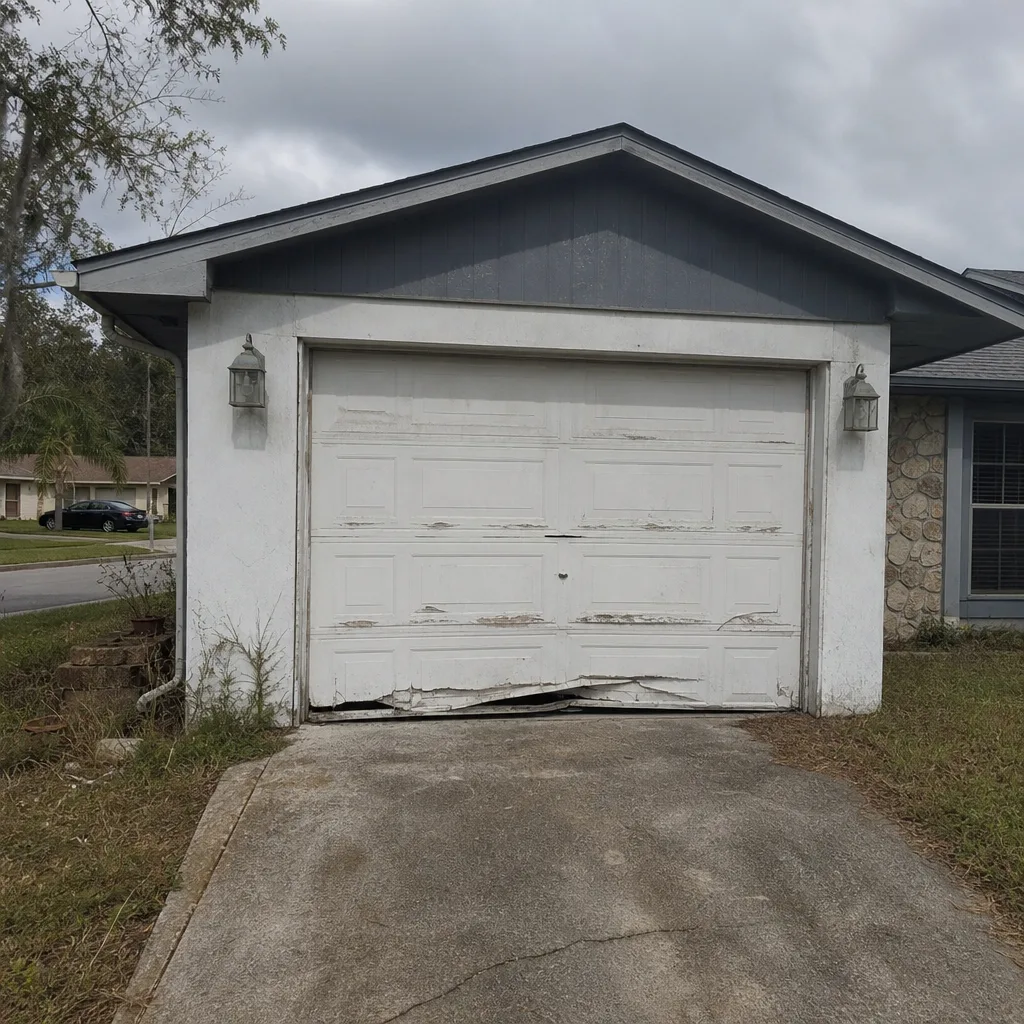 Before
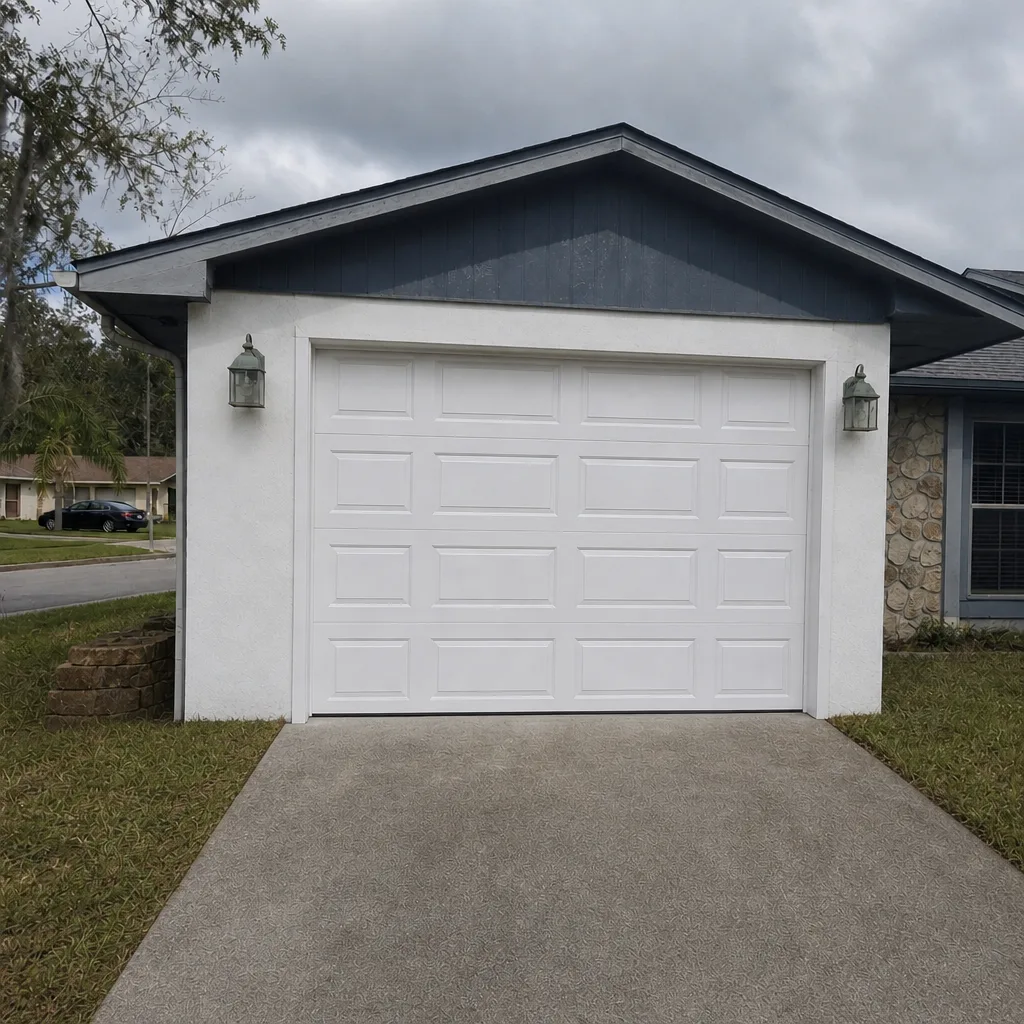 After
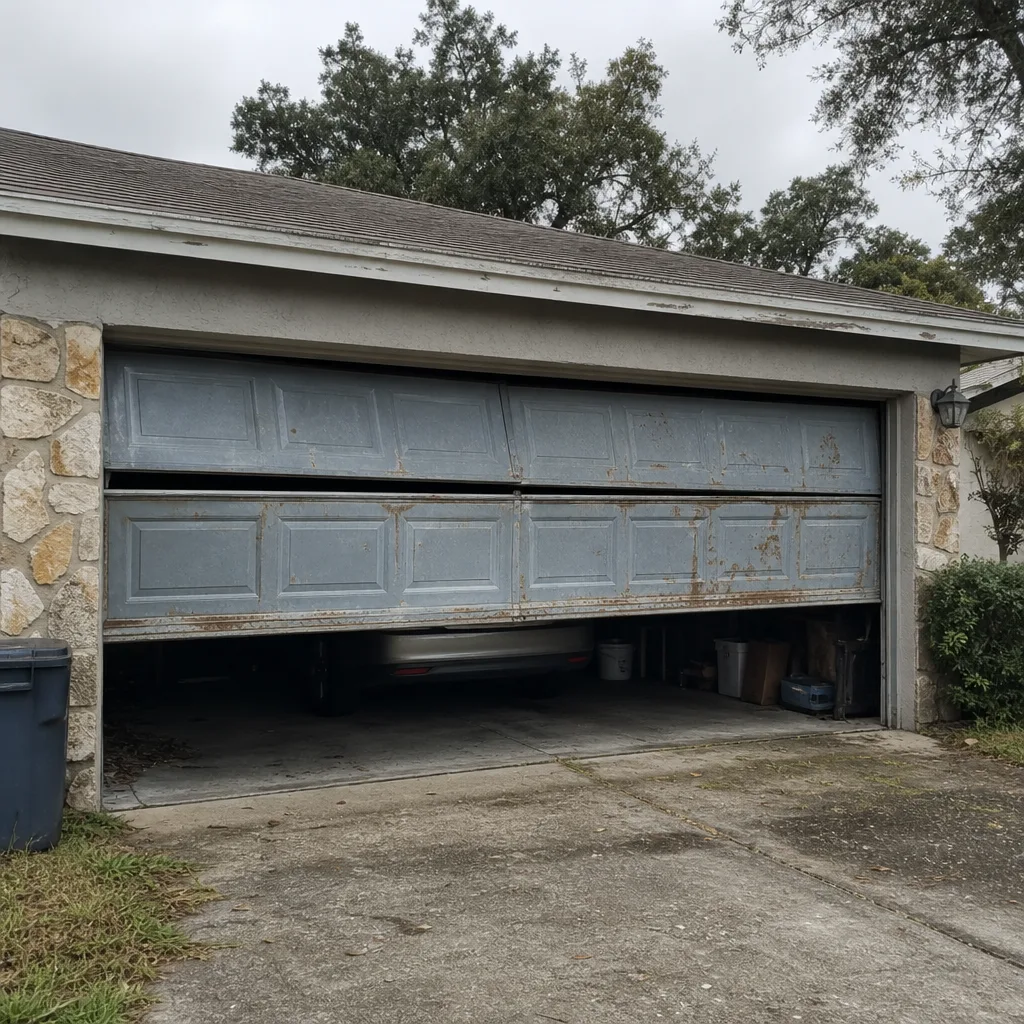 Before
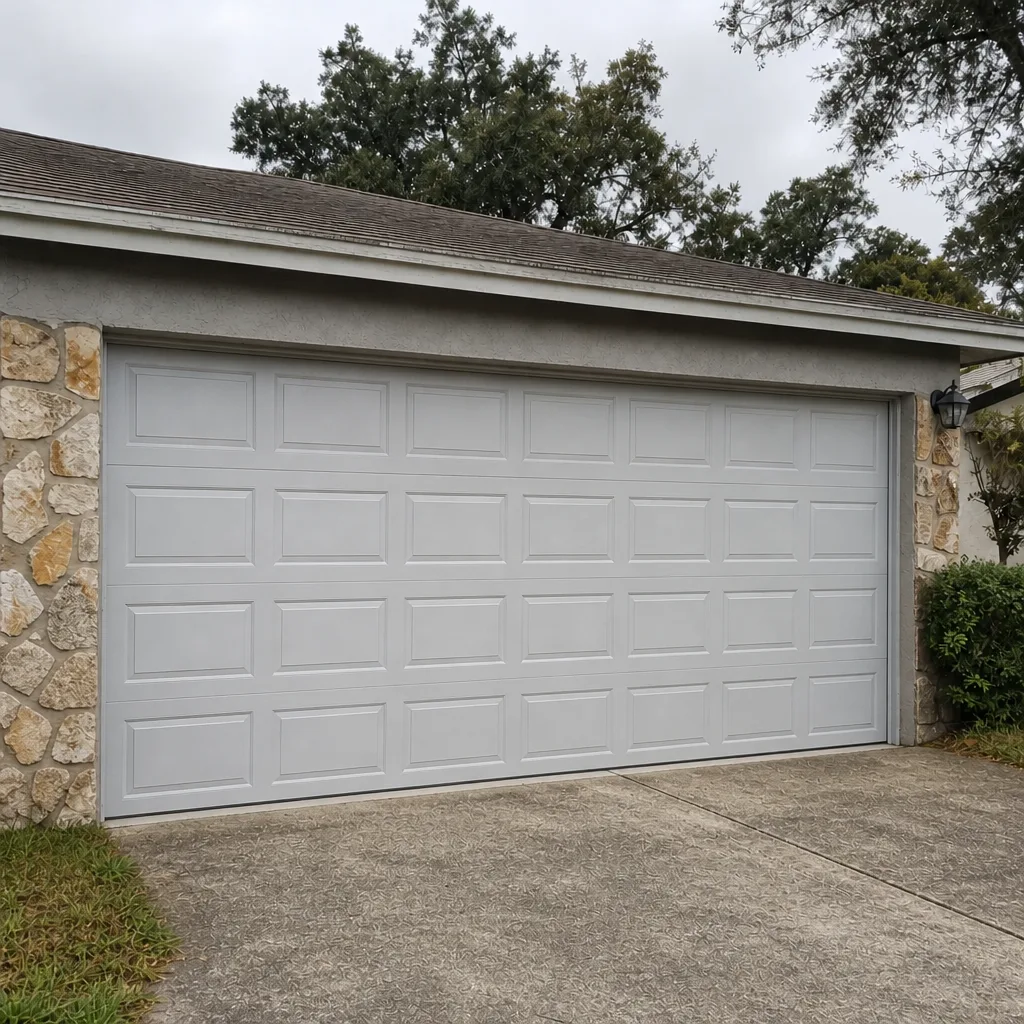 After
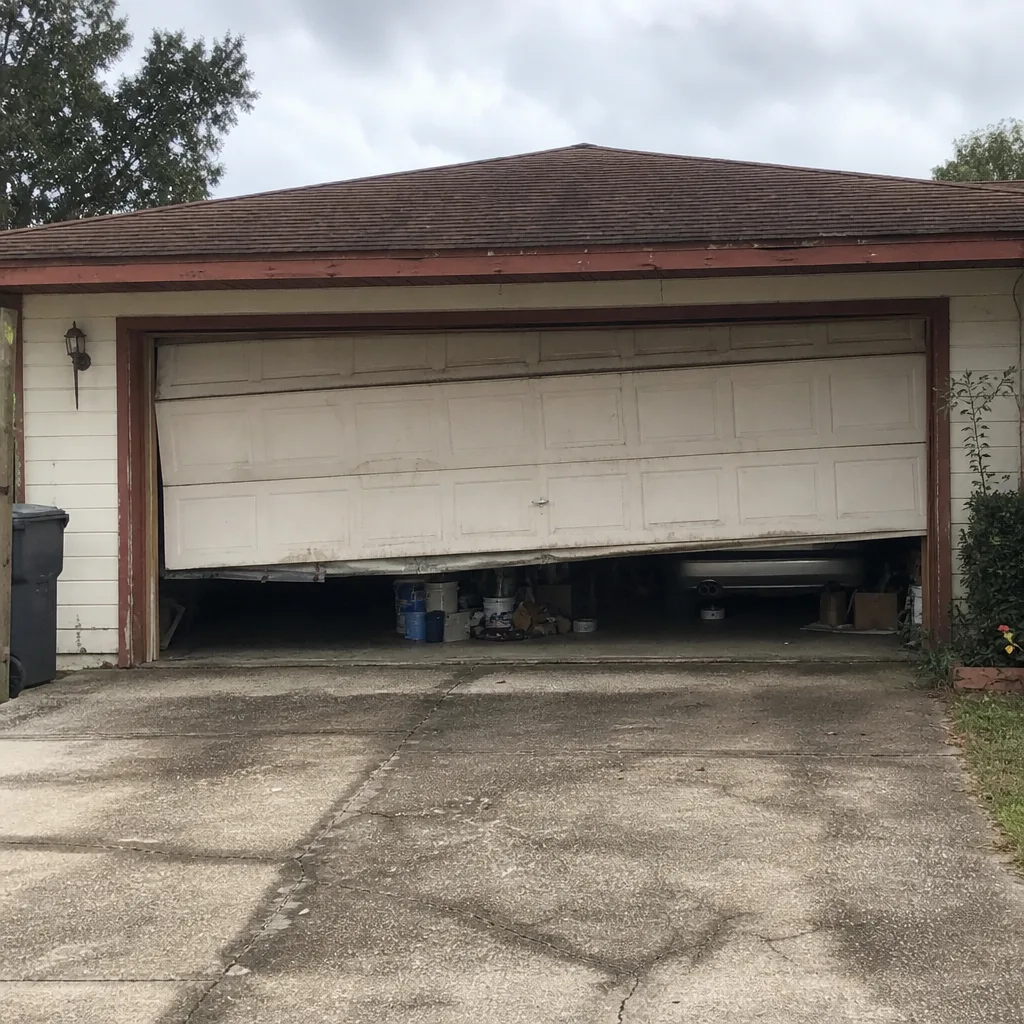 Before
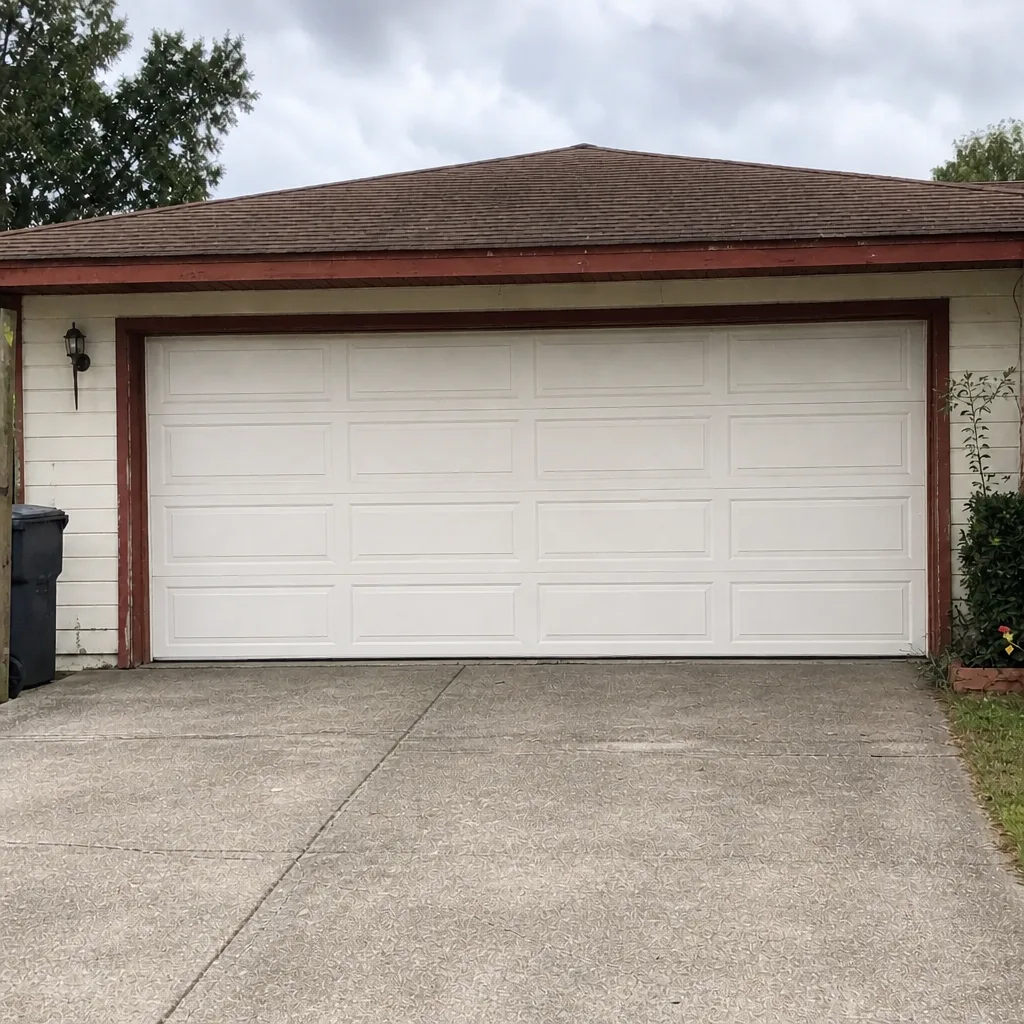 After
When to Call a Professional
Some warning signs are diagnostic puzzles, and some are hard stops. Call us if the door won’t move, if you’ve seen a spring gap, if a cable looks frayed or kinked, if the door reverses on its own, or if the door is off the track or crooked. Those are the signs that mean don’t operate the door. Call us also if a grinding sound or an opener fault has appeared recently and is getting worse – that’s a scheduled visit, not an emergency, but it’s worth booking before the component fails. Never operate a door with a broken spring or a frayed cable to “see if it still works.” Springs and cables are genuinely dangerous to handle without the right tools, and the wrong move can cause serious injury. Brandon Garage Door Repair Pros offers free estimates in Brandon – call (866) 283-8512. We answer 24/7, fast dispatch from 7am to 7pm, Sunday through Friday, and the price is quoted and agreed before any work starts.
Frequently Asked Questions
The first clear warning sign is a soft popping sound during operation, followed by a door that feels heavier or won’t open fully. A visible gap between the two coils of a torsion spring is a confirmed failure – stop using the door and call for repair immediately.
Usually yes, but only for a short time and only if the noise is coming from the opener or a roller, not from a spring or cable. Grinding worsens with use, so it’s worth scheduling a diagnostic visit rather than waiting for the opener to fail completely.
A reversing door almost always has a problem with the safety photo-eye sensors or the opener’s force setting. Check that the two sensors at the bottom of the track are clean and pointed at each other. If they are and the door still reverses, stop using the door and call us for a diagnostic.
A cable that’s about to fail typically shows fraying near the drum, kinks, or a change in color. If the cable looks fuzzy or has visible broken strands, do not operate the door. Never touch a cable to test it – it’s under tension and can injure you.
Yes. Brandon’s humidity accelerates rust on hinges, brackets, cables, and springs, and it stiffens wood-composite doors. That means the same warning signs you’d normally see over several years here show up sooner, so seasonal checks matter more than they would in a drier climate.
Grinding from the opener or track, squealing hinges, surface rust on a painted panel, and a single clicking opener can usually wait for a scheduled visit. Spring gaps, popping sounds followed by the door not moving, frayed cables, and a door that reverses on its own are same-day calls. Call (866) 283-8512 for an exact quote – estimates are free.
The Bottom Line
The sounds, movements, and visuals a failing garage door makes are the same signals a technician listens and looks for on every diagnostic. Learning to read them yourself is the single best way to avoid a dropped door and an emergency repair. The tl;dr: popping and frayed cables mean stop; grinding and squealing mean schedule. Brandon’s humidity accelerates rust and stiffens hinges, so the seasonal check matters more here than in drier climates. If you’re not sure which list your warning sign falls on, a free estimate from Brandon Garage Door Repair Pros answers it. Call (866) 283-8512. We answer 24/7, with fast dispatch from 7am to 7pm, Sunday through Friday.
Written by the team at Brandon Garage Door Repair Pros.